Health
The Breast Cancer Vaccine Breakthrough: What Every Woman Should Know

When it comes to cancer, triple-negative breast cancer (TNBC) is one of the deadliest. This is because it is difficult to manage with traditional treatments, unlike other breast cancers. Luckily, there is a potential breakthrough in preventing the menace. Anixa Biosciences, in collaboration with the Cleveland Clinic, has risen to the challenge by coming up with a vaccine that it hopes can stop the ailment. Here is some vital information you should know about the vaccine breakthrough.

The Company that Developed it and How Far Gone They are.
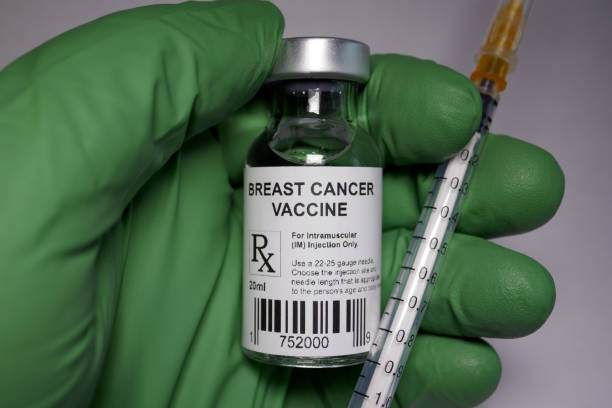
Anixa Biosciences is a biotech firm that is championing the vaccine. The vaccine has been developed at the Cleveland Clinic, but it is licensed to Anixa. It works by targeting a protein known as alpha-lactalbumin, commonly found in breast cancer cells. However, in several cases of TNBC, the protein is the most affected.
The first phase started around 2021, with clinical dosing of all participants expected to end by 2025. The project has been funded by the US Department of Defense. Participants in the trials are from three main groups:
- Women previously treated for TNBC
- Women with High Genetic Risk
- Women who have received immunotherapy
Expert Opinions About the Vaccine
Opinions abound in the medical field about the prospects of the vaccine, with many tilting towards a cautiously optimistic view. Dr. Thomas Budd, an investigator at the Cleveland Clinic, states that the vaccine offers a unique type of protection for women at high risk. He further emphasized that this type of preventive vaccine could be a lifesaver for millions of women.
Furthermore, a reputable oncologist, Dr. Rima Patel of Sinai Hospital, is happy with the approach used in developing the vaccine. She said that while many are focusing on treatment, they aim for prevention. She is hopeful that the vaccine, when fully completed, will help many women.
Meanwhile, Anixa CEO Dr. Amit Kumar opined that early results are promising and that the firm is committed to making the project a success.
Read Also : Science-Backed Tips for Better Sleep
Stages of Administration
The vaccine will go through a series of stages. The first phase trials will be used to monitor how the immune system responds to it and possible side effects. For phase two, it will be used in a neoadjuvant setting, where women with TNBC will be administered the vaccine alongside immunotherapy and chemotherapy. The second will be in a preventive setting for women who are predisposed to breast cancer with no formation of the cells yet.


Animal Trials and Safety Concerns
Before human trials are considered, the Anixa vaccine was tested on mice that are prone to having breast cancer. The results were encouraging, as these kids didn’t develop any tumors. As per safety concerns, participants in the first phase only showed minor side effects like soreness. There have not been any adverse reactions to the vaccine. These positive early safety signs show so much promise, with trials expected in larger groups soon.
Bottom Line
By focusing on prevention rather than treatment, the vaccine breakthrough is a life-changing strategy worth appreciating. Early human trials are showing good signs both on safety and strong immune reactions. While there is still a long way to go, the signs are good.