Health
The Best Supplements for Women in Their 20s, 30s, 40s and Beyond

Women’s nutritional needs change with age, but not always in obvious ways. It’s not just hormones or metabolism shifting; it’s also how the body absorbs and uses nutrients. Supplements can help close gaps, but only when used with a clear purpose.
In Your 20s: Laying the Groundwork
In your 20s, the body is still building bone density and stabilising hormonal patterns. A multivitamin can help cover gaps in an inconsistent diet, especially with busy routines.
Vitamin D and calcium are key for bone development and work best together. Omega-3 fatty acids support brain and heart health, while also helping with inflammation.
Iron is another consideration. Menstrual cycles increase the risk of deficiency, often showing up as fatigue.
The priority here is building a solid nutritional base.
In Your 30s: Keeping Up With Demand

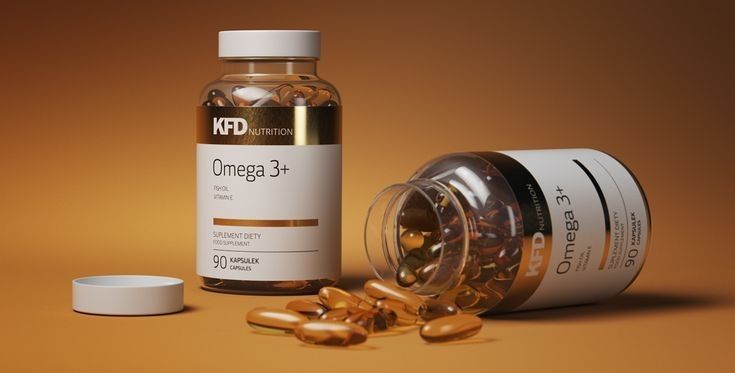
Photo Credit – Pinterest
In your 30s, daily demands increase and nutritional needs become more specific. Iron often remains important, particularly alongside B vitamins, which support energy and cognitive function. Collagen levels decline, making it useful for skin and joint support.
Omega-3s continue to support heart health, while probiotics help maintain digestion and immune balance, which can be affected by stress.
Combining nutrients can improve effectiveness. Vitamin C enhances iron absorption, while magnesium supports vitamin D. The focus is on maintaining energy and overall function.
In Your 40s: Adjusting to Change

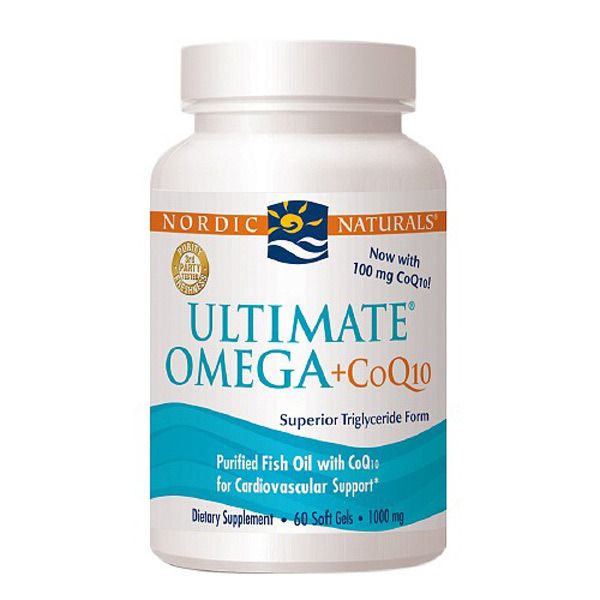
Photo Credit – Pinterest
In your 40s, hormonal changes begin to affect sleep, metabolism and bone health. Calcium and vitamin D help preserve bone strength. Magnesium supports sleep and muscle relaxation, while also contributing to mood balance.
Probiotics support digestion and immune function, while omega-3 fatty acids and CoQ10 contribute to heart health and energy production.
There is also growing interest in creatine for maintaining muscle strength and supporting cognitive function when combined with exercise. At this stage, supplement use becomes more targeted.
Beyond 50: Supporting Long-Term Health

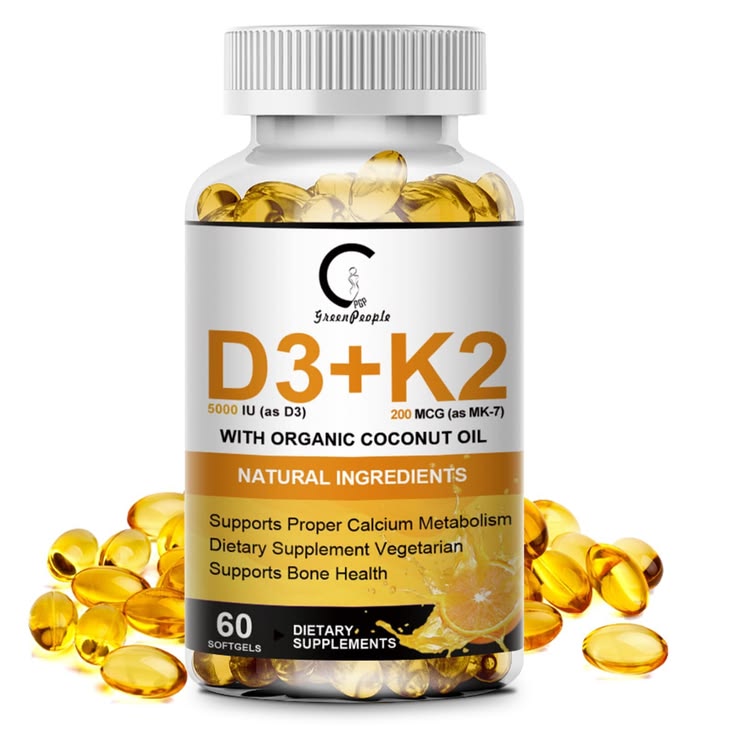
Photo Credit – Pinterest
After menopause, the body may become less efficient at absorbing nutrients, and the risk of bone loss and cardiovascular issues increases.
Calcium, vitamin D and vitamin K2 work together to support bone density. Omega-3 fatty acids continue to support heart and brain health, while B vitamins help maintain energy and neurological function.
Protein intake becomes more important for muscle maintenance, and magnesium can help regulate sleep, mood and immune function.
The focus shifts to maintaining strength and independence.
What Matters More Than Age

Photo Credit – Pinterest
Age-based supplement lists are useful, but they do not tell the full story. Needs vary depending on diet, lifestyle and overall health.
Diet remains the foundation, and supplements should fill specific gaps rather than replace meals. Deficiencies should guide decisions more than age alone, and combining certain nutrients can improve results. At the same time, excessive intake can lead to imbalances.
The Takeaway
Your 20s focus on building. Your 30s centre on maintaining. Your 40s prioritise adjustment. Beyond that, the focus shifts to long-term health.
Supplements can support each stage when used appropriately alongside a balanced diet and consistent lifestyle habits.