Wellness
Foods That May Help You Sleep Better Naturally

A poor night’s sleep can affect your concentration, mood and energy the following day. Stress, screen time, caffeine and an inconsistent sleep routine can all contribute to disrupted sleep, but your diet may also influence how well you rest.
No single food can guarantee better sleep. However, research suggests that certain nutrients and dietary patterns may support the body’s normal sleep processes. Foods providing nutrients such as magnesium, tryptophan and omega-3 fatty acids can form part of a balanced diet that supports healthy sleep.
Kiwi

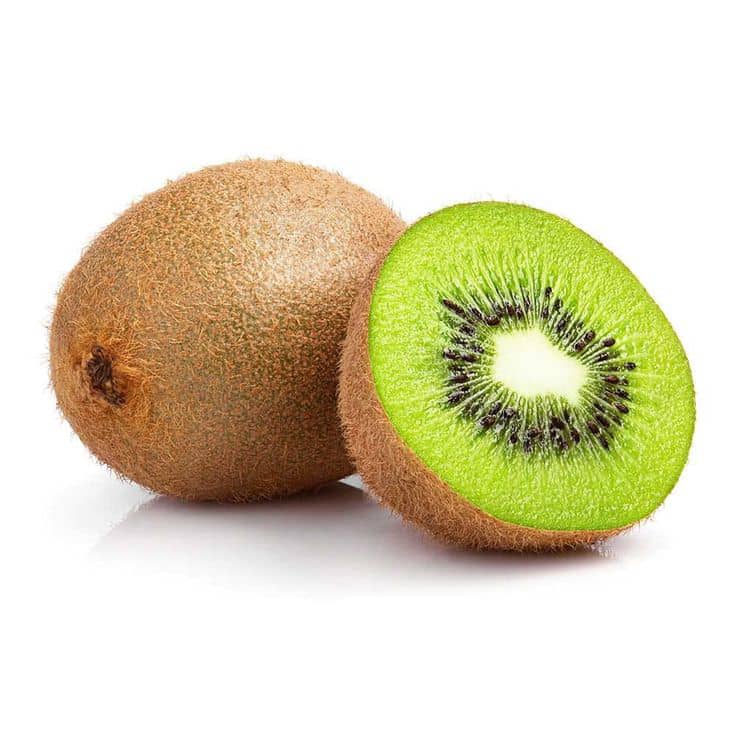
Photo – Pinterest
Small studies suggest that kiwifruit may improve some measures of sleep. It provides folate and vitamin C, while limited research has linked regular kiwifruit consumption with longer sleep and better perceived sleep quality.
The evidence is still limited, so kiwifruit should be viewed as part of a balanced diet rather than a treatment for sleep problems.
Tart cherries


Photo – Pinterest
Tart cherries, particularly Montmorency cherries, contain naturally occurring melatonin, a hormone involved in regulating the sleep-wake cycle. Some small clinical studies have reported improvements in sleep duration or quality after consuming tart cherry products, but more research is needed.
If you choose tart cherry juice, an unsweetened option can help limit added sugar.
Almonds and other nuts
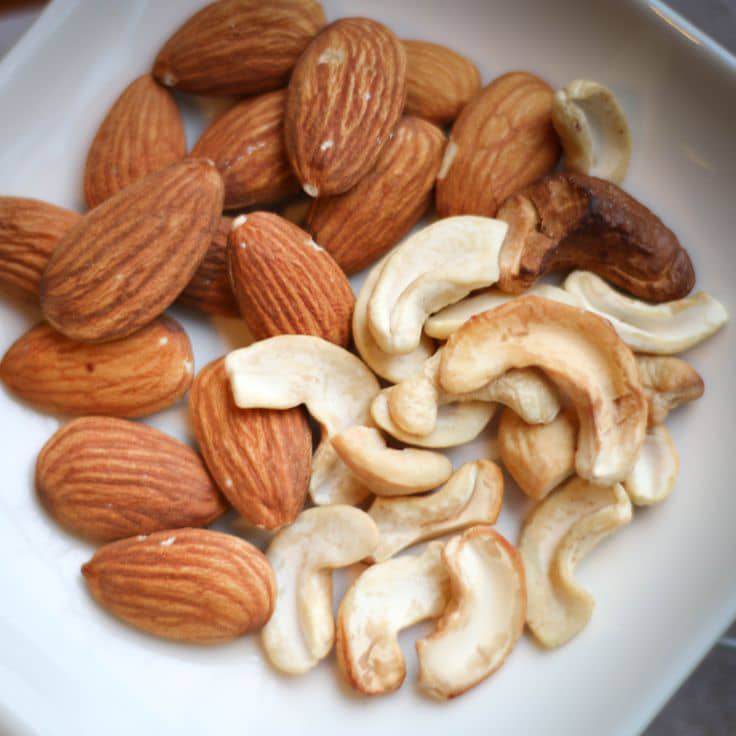
Photo – Pinterest
Almonds are a source of magnesium, a mineral involved in normal muscle and nerve function. Magnesium is also being studied for its potential role in sleep, although research on magnesium supplementation and sleep remains mixed.
Walnuts and pistachios can also contribute useful nutrients, including healthy fats and protein. A moderate serving is enough, particularly if you are eating them close to bedtime.
Oats


Photo – Pinterest
Oats provide carbohydrates, fibre and tryptophan. Tryptophan is an amino acid involved in the production of compounds such as serotonin and melatonin.
A small bowl of porridge can be an option earlier in the evening, especially when paired with fruit, yoghurt or nuts. If hunger is likely to disrupt your sleep, a small, balanced snack may be more appropriate than a large meal.
Eggs

Photo – Pinterest
Eggs provide protein and tryptophan, making them a source of nutrients involved in normal bodily functions. They can also be included in an evening meal without requiring a particularly heavy dish.
Bananas

Photo – Pinterest
Bananas contain potassium, magnesium, vitamin B6 and tryptophan. Vitamin B6 is involved in normal metabolism, while magnesium and potassium support normal muscle and nerve function.
A banana can be a convenient light snack if hunger tends to interfere with your bedtime routine.
Oily fish


Photo – Pinterest
Salmon, sardines and other oily fish provide omega-3 fatty acids and vitamin D. Both nutrients have been studied in relation to sleep, although research has not established that eating oily fish produces an immediate improvement in sleep.
The evidence supports including oily fish as part of an overall healthy diet, rather than treating it as a specific bedtime remedy.
Yoghurt and milk

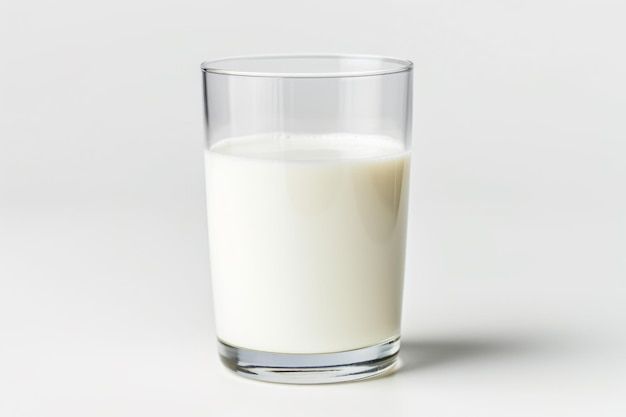
Photo – Pinterest
Dairy foods provide protein, calcium and tryptophan. They can be included as part of a balanced diet, although there is not enough evidence to suggest that milk or yoghurt alone will significantly improve sleep.
Plain yoghurt can provide protein and tryptophan without requiring a large evening meal.
Pumpkin seeds

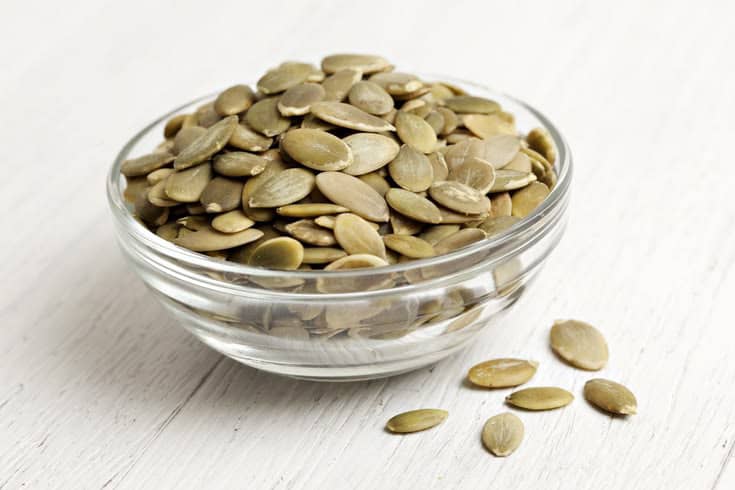
Photo – Pinterest
Pumpkin seeds are a source of magnesium, zinc and tryptophan. They can be added to meals such as porridge or yoghurt, or eaten in a moderate portion as a snack.
Eating these foods regularly is different from expecting a single snack to significantly change your sleep. Overall dietary habits are more important than relying on one ingredient.
Your overall routine still matters


Photo – Pinterest
Changing your diet is unlikely to compensate for habits that consistently interfere with sleep. Caffeine later in the day, alcohol, very heavy meals and large amounts of sugary food can make it harder to get a good night’s rest.
Meal timing can also matter. A large meal close to bedtime may cause digestive discomfort or worsen reflux for some people. If you need something to eat in the evening, a lighter option may be more comfortable.
Ultimately, foods such as fruit, whole grains, nuts, seeds, dairy, eggs and oily fish can contribute nutrients associated with healthy sleep. They work best as part of a balanced diet and a consistent sleep routine, not as quick fixes for persistent sleep problems.
If poor sleep continues regularly despite changes to your routine, it is worth speaking to a healthcare professional to identify the underlying cause.