Fitness
Fasted Training for Women: Benefits, Risks, and What to Know

Fasted training has become a popular fitness trend, especially among women who exercise first thing in the morning. It involves working out after an overnight fast, usually before breakfast. During this time, insulin levels are lower and the body relies more on stored fat for energy during lower-intensity exercise.
Some fitness enthusiasts say this helps the body burn more fat. While research supports that claim during the workout itself, experts say it does not automatically lead to greater fat loss over time. Lasting results still depend on factors such as diet, training quality, recovery and consistency.
Potential Benefits for Women

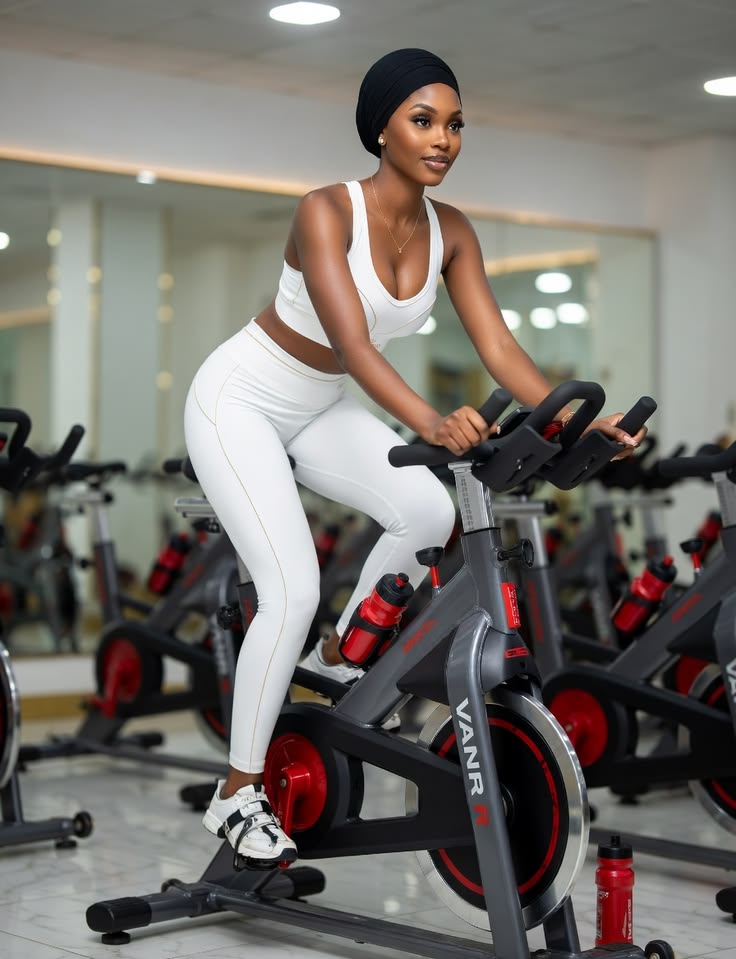
Photo: Pinterest
Research shows that fasted exercise increases fat oxidation, meaning the body uses a higher percentage of fat as fuel during lower- to moderate-intensity activities such as brisk walking, cycling or an easy run. For women with busy schedules, exercising before breakfast can also make it easier to maintain a regular fitness routine without having to plan meals around workouts.
Some studies suggest fasted exercise may help the body respond more effectively to insulin, which plays an important role in regulating blood sugar, although researchers say more studies are needed before firm conclusions can be drawn. Some women also find it more comfortable to exercise on an empty stomach, especially if eating beforehand causes bloating or a heavy feeling.
The Risks to Consider


Photo: Pinterest
High-intensity workouts depend heavily on carbohydrates for energy. Without enough fuel, some women may tire more quickly, struggle to maintain performance or lift less weight.
Recovery can also be slower if protein and carbohydrates are not consumed after demanding workouts. In addition, some women experience dizziness, headaches, nausea or low energy when exercising without eating, particularly during longer sessions or if they are dehydrated.
Women’s hormonal responses to fasting may also differ from men’s. Some experts believe combining frequent fasting with intense exercise may place extra stress on the body, although more research involving women is still needed.
Does It Help With Weight Loss?


Photo: Pinterest
A common belief is that burning more fat during exercise leads to faster weight loss. Current evidence does not support that conclusion.
Studies comparing fasted and fed exercise generally find little difference in body fat loss when calorie intake and training are similar. Fasted training changes how the body uses energy during exercise, but it is not a shortcut to losing weight.
Should You Try It?
Fasted training may suit women who enjoy low- to moderate-intensity morning workouts and feel comfortable exercising before breakfast. It may be less suitable for heavy strength training, high-intensity interval workouts or endurance sessions, where eating beforehand can help maintain performance.
If you want to try fasted training, start with shorter sessions, stay hydrated and pay attention to how your body responds. Feeling persistently dizzy, weak or unwell is a sign to stop and reassess your routine.
After your workout, eat a balanced meal containing protein and carbohydrates to support recovery and restore energy levels.


Photo: Pinterest
Fasted training can increase fat burning during exercise, but current evidence does not show that it leads to greater weight loss than exercising after eating. Whether it is the right choice depends on your fitness goals, the type of exercise you do and how your body responds.
Rather than focusing on when you eat, experts agree that a balanced diet, consistent training and proper recovery remain the biggest drivers of long-term fitness and weight management.