High Tech
Do Smart Glasses Have a Surveillance Problem?

Smart glasses are a growing trend in wearable technology. Meta, Google, and Snap now integrate cameras and artificial intelligence into eyewear. This is used to take photos, record videos, and answer questions. Their convenience has attracted consumers, but there is a debate about privacy. As these devices become powerful, many experts believe the biggest challenge is not the technology itself but it could become an instrument for surveillance.
Why Smart Glasses Are Different
Smart glasses allow users to capture photos and videos without a camera. This is a concern for many people. A person may be unaware they are being recorded while speaking with an individual with smart glasses. That uncertainty has made some workplaces change their policies on wearable technology. New York announced a statewide ban on smart glasses inside its courthouses, citing concerns about unauthorized recording.
Artificial Intelligence Raises the Stakes


Photo: Getty Images
The latest generation of smart glasses has many improved features. They analyze what users are looking at, answer questions about nearby objects and provide information in real-time using AI.
Privacy experts say these features could make surveillance better. Reports suggest that future smart glasses could collect information from a user’s surroundings, allowing AI systems to remember what the wearer has seen throughout the day.
According to experts, privacy regulations can’t cope with wearable AI. They warn that if smart glasses start collecting biometric information, there will be abuse.
Read Also: HUAWEI nova 14 Pro Launches in South Africa: Design Meets Performance
Facial Recognition Is another Concern

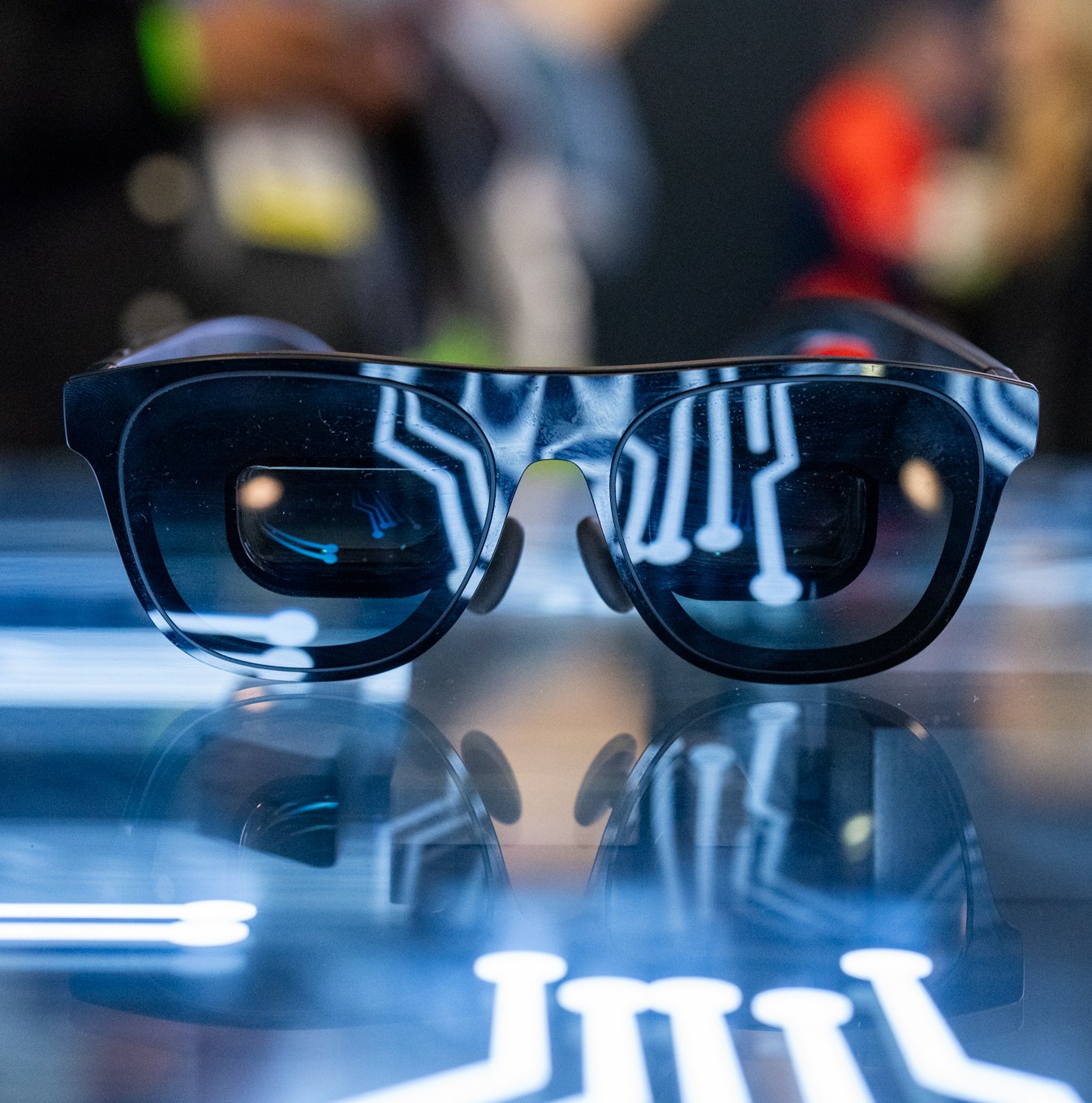
Photo: Getty Images
Privacy advocates believe facial recognition represents surveillance risk associated with smart glasses.
The Electronic Privacy Information Center (EPIC) has urged regulators to stop proposals that would integrate facial recognition into smart glasses. In a letter to the U.S. The Federal Trade Commission, the organization, warned that such technology “would pose a grave risk to privacy, safety, and civil liberties.”
He said that could lead to heightened surveillance of Americans by foreign governments and increase their risk around identity theft and fraud.
Several U.S. senators warned that smart glasses are capable of identifying people in real – time could increase the risks of stalking, harassment, and intimidation.
Companies Say Privacy Is a Priority


Photo: Getty Images
Technology companies argue that they are aware of these concerns and have introduced safeguards. Current smart glasses include recording indicator lights, physical buttons to activate cameras, privacy settings, and user controls for managing stored recordings.
Meta said its smart glasses are designed with privacy in mind..
“As our glasses become more capable and common, our teams continue to work on ways to make them even safer and more trustworthy. We set a high standard for our AI glasses because we believe it’s an essential component of any good technology,” said the company in its statement.
However, recent reports indicate the company is testing more advanced AI features that would allow glasses to observe a user’s surroundings. This has created renewed concerns among privacy experts about transparency.
Questions have also been raised about how captured information may be reviewed. Privacy advocates argue that companies should be transparent about how collected data is used.
Finding the Right Balance

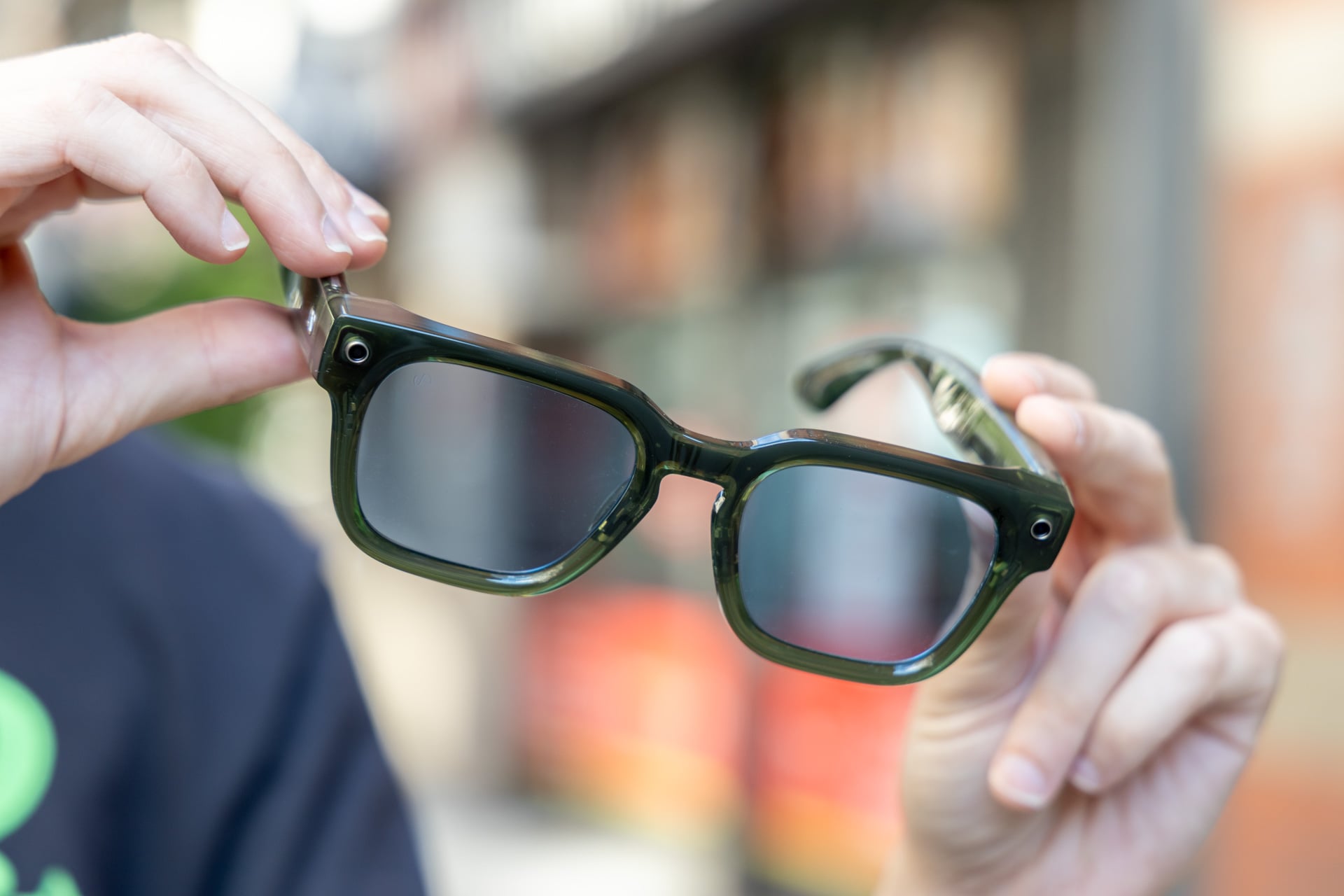
Photo: Getty Images
Despite the concerns, smart glasses have benefits. People with visual impairments can mow around better, it provides real time language translation, and supports easy communication.
Technology experts agree that innovation must not affect privacy. What is required are stronger regulations and transparent data policies to build public trust.
Smart glasses have their limitations, but the main problem is its usage. As AI becomes better, wearable devices will collect large amounts of information about everyone. That is what makes privacy protections and updated regulations necessary. Without those safeguards, the convenience of smart glasses could create more problems.