Lifestyle
Wine Tasting: How to Become a Connoisseur

Becoming a wine connoisseur starts with understanding what is in your glass, not memorising expensive bottles. You do not need a cellar filled with rare vintages or encyclopaedic knowledge. The important skills are tasting systematically, comparing wines and remembering what you experience.
Start by looking at the wine. Hold the glass by the stem and examine its colour and clarity against a pale background. Its appearance may offer clues about the grape variety, age and winemaking, although it should not be used alone to identify a wine.

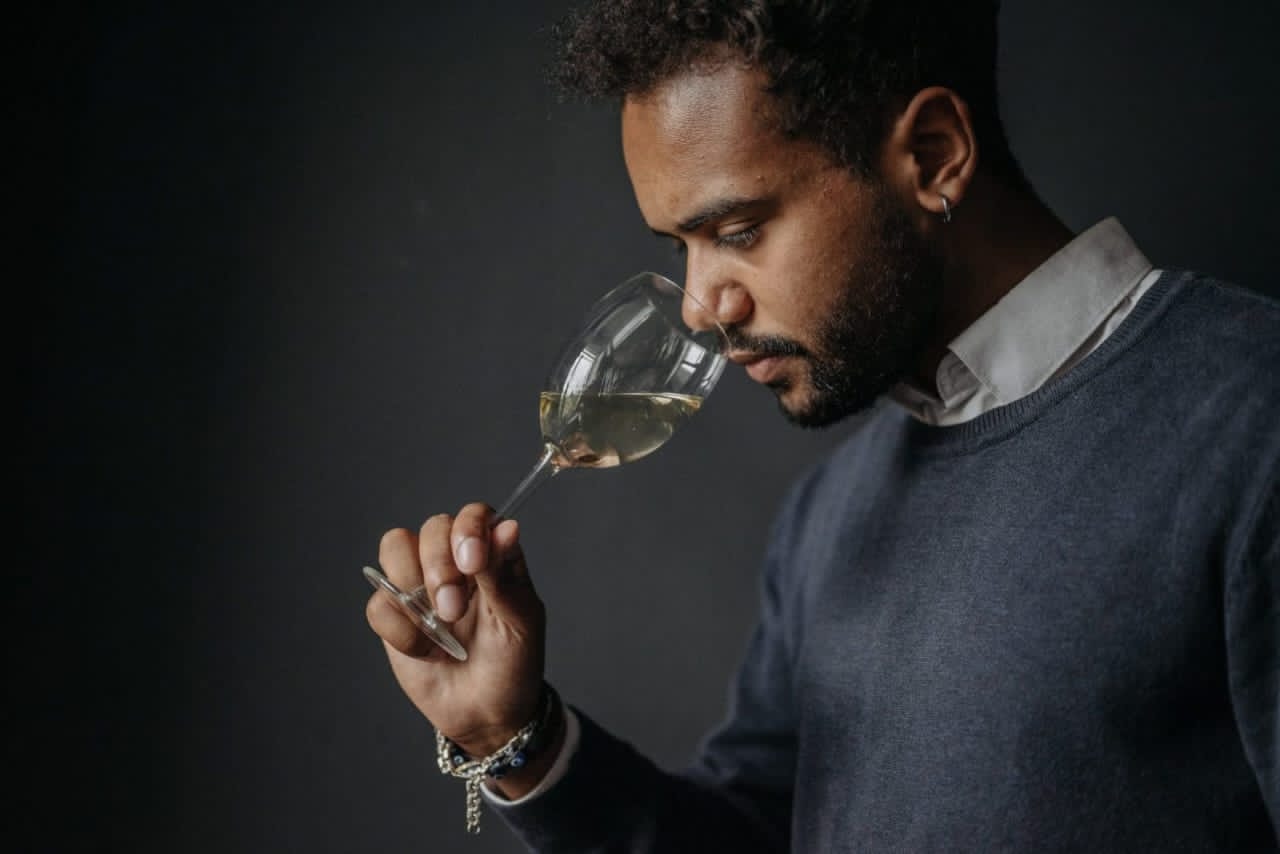
Photo: AP
Smelling the wine is equally important. Swirl the glass gently before taking a few short sniffs. Begin with familiar aromas such as citrus, apple, berries, herbs, flowers, vanilla, toast and spices. With regular tasting, your ability to identify and remember aromas will improve.
When you taste, take your time. Pay attention to sweetness, acidity, tannin, alcohol, body and flavour intensity. Notice how the wine feels in your mouth and what happens after you swallow. Does the acidity make your mouth water? Does the tannin leave your gums feeling dry? How long does the flavour remain?

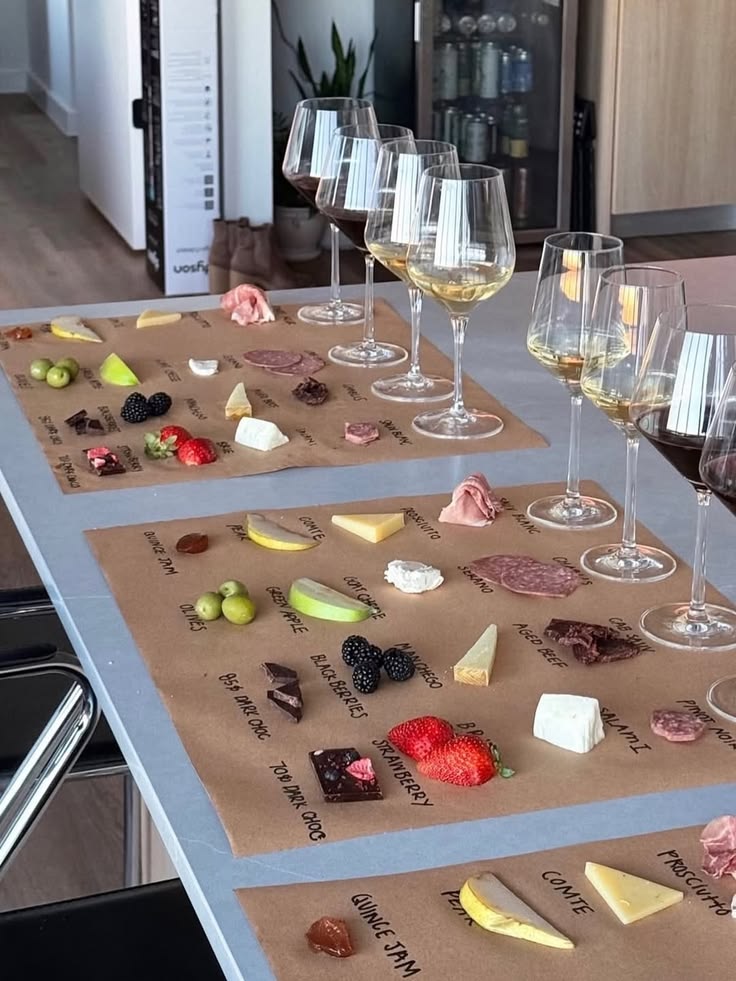
Photo: Pinterest/@Wine-oh!
Tasting notes can help you track your progress. Record the wine’s name, grape variety, country or region, vintage and your impressions of its aroma and taste. Note whether you enjoyed it and why. Over time, these records make it easier to recognise patterns in your preferences.
Side-by-side tasting is another useful way to develop your palate. Pour two Chardonnays from different regions and compare them. Try Cabernet Sauvignon from South Africa alongside a bottle from another country. Compare Sauvignon Blanc with Riesling, noting differences in acidity, body, fruit character, oak and finish.

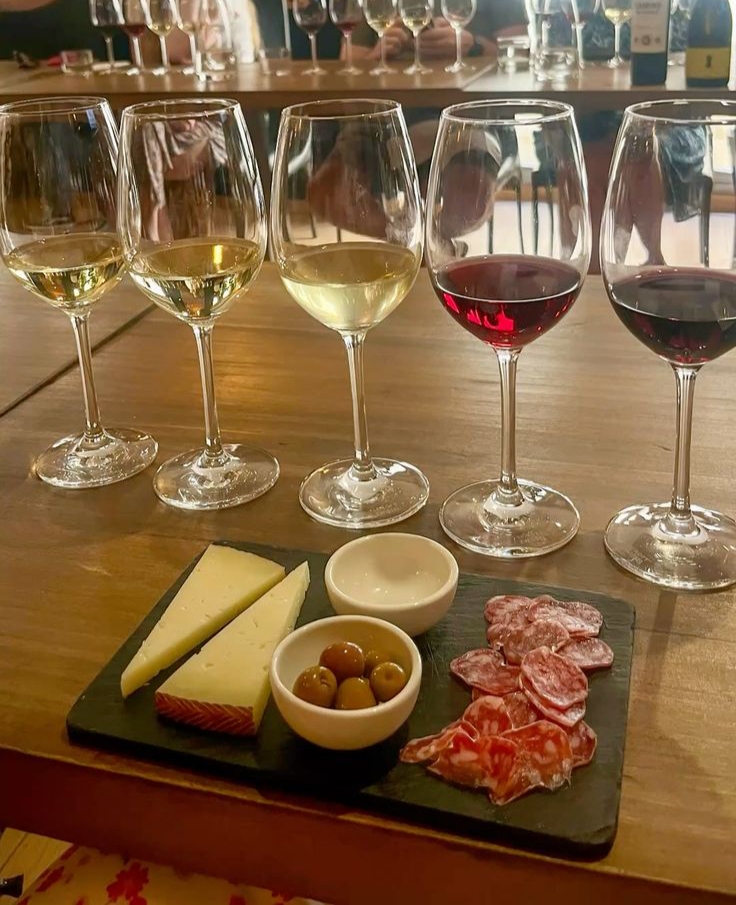
Photo: Pinterest/@BellaRico
Learning major grape varieties and their associated regions will make wine labels easier to understand. Start with Chardonnay, Sauvignon Blanc, Riesling, Cabernet Sauvignon, Merlot, Pinot Noir and Syrah. South Africa offers plenty of opportunities to explore these grapes, from Stellenbosch and Paarl to Constantia, Franschhoek, Robertson and the Hemel-en-Aarde Valley.
Where grapes are grown and how they are made influence the finished wine. Climate, soil, vineyard practices, fermentation, oak and ageing all contribute to a bottle’s character. Understanding these factors helps you make more informed choices when buying wine.
Food and wine pairing can also develop your palate. Try the same wine with different dishes and observe how the food changes its taste. Acidity can work particularly well with rich foods, while tannin, sweetness and alcohol affect how wine interacts with a meal. Experimenting is often more useful than following rigid rules.
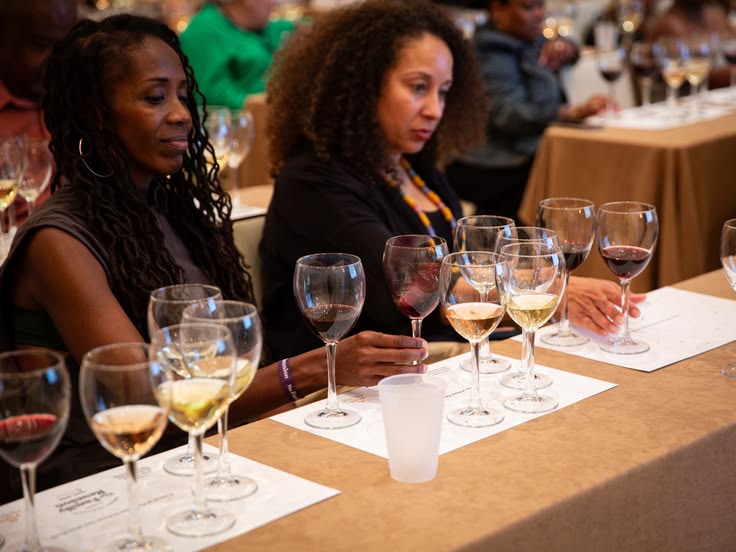

Attend tastings led by winemakers, sommeliers or knowledgeable professionals. Ask about the grape variety, vintage, region, winemaking methods and ageing. Formal study is another option. The Wine & Spirit Education Trust offers qualifications covering wine styles, grape varieties, regions, tasting and production.
You do not need to become a sommelier to understand wine seriously. Taste unfamiliar varieties, compare regions and record what you enjoy. Price alone does not determine whether a wine will suit your taste. With repeated tasting and comparison, you will begin recognising producers and grape varieties, understanding labels and explaining why one bottle appeals to you more than another. That is what turns drinking wine into knowing your wine.