Wellness
Why You Crave More Food Before Your Period

If you notice that your appetite increases in the days before your period, you are not imagining it. Food cravings and increased appetite can occur during the luteal phase, the part of the menstrual cycle between ovulation and the start of your next period. They are also recognised symptoms of premenstrual syndrome (PMS).
Your body may need more energy


Photo: Pinterest
Research suggests that energy intake can increase during the luteal phase. Hormonal fluctuations during this part of the cycle may affect appetite, hunger and feelings of fullness.
That does not mean everyone needs to eat significantly more before their period. However, feeling hungrier than usual during this phase is not unusual.
Why the cravings can feel specific


Photo: Pinterest
It is not only the amount of food that can change. Many people notice stronger cravings for sweet or carbohydrate-rich foods before their period.
Mood and the brain’s reward system may contribute. Fatigue, irritability, anxiety and low mood can also occur with PMS, potentially making highly palatable foods more appealing.
Researchers use the term hedonic hunger to describe the desire to eat for pleasure or reward rather than because of physical hunger. A 2025 study of 150 women found an association between PMS, greater hedonic hunger, food cravings and higher energy intake. The findings show a relationship, however, rather than proving that PMS directly causes these changes.
There is still more to learn

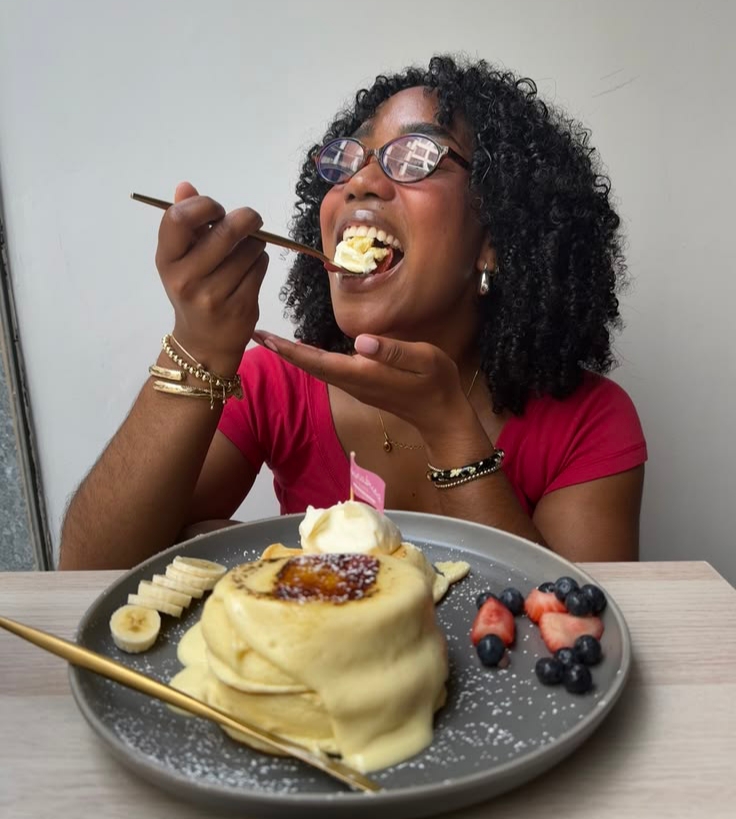
Photo: Pinterest
Scientists are continuing to investigate how the menstrual cycle affects appetite. Insulin sensitivity and appetite-regulating hormones such as ghrelin and leptin have all been studied as possible contributors.
One small study suggested that brain insulin sensitivity may vary across the menstrual cycle, but larger studies are needed before this can be used to explain premenstrual cravings.
So, if you find yourself reaching for chocolate or wanting a larger meal before your period, there may be several factors involved: hormonal changes, energy requirements, mood and the way your brain responds to rewarding foods.
How to handle the extra hunger

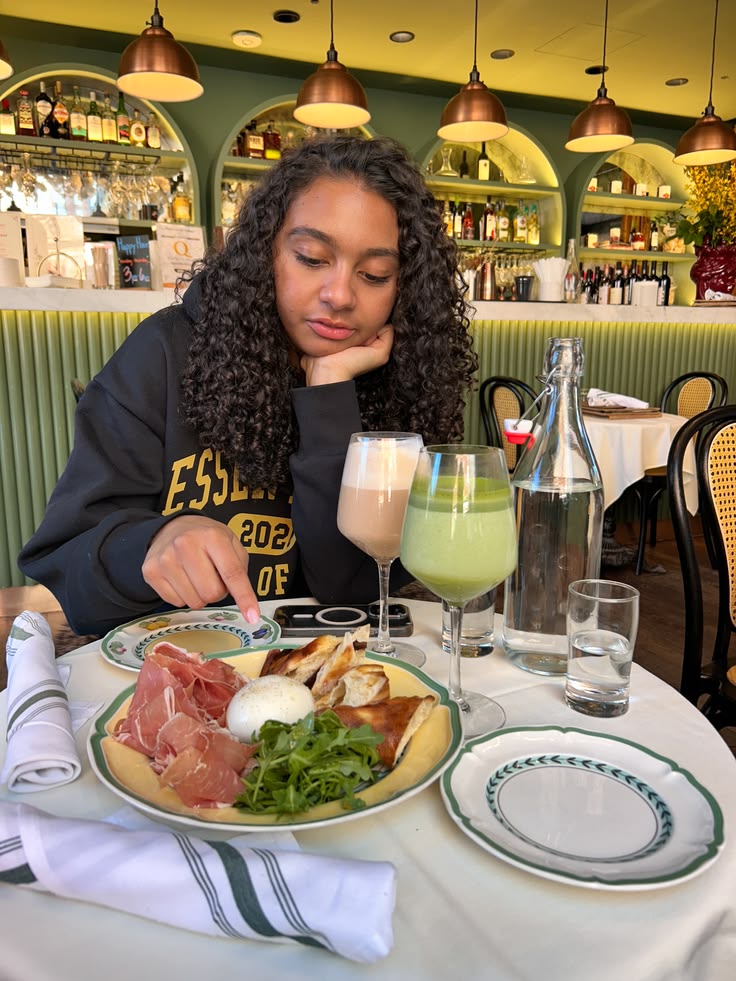
Photo: Pinterest
Rather than trying to ignore your appetite, pay attention to when it changes. Balanced meals containing protein, fibre-rich carbohydrates and healthy fats can help keep you satisfied, while having a planned snack available can prevent you from becoming excessively hungry.
You do not need to completely avoid foods you enjoy. A craving does not automatically mean that your body is deficient in a particular nutrient, either.
Tracking your appetite alongside your menstrual cycle for a few months can help you identify your own pattern. You may find that the increased hunger appears at roughly the same point each month.
An increase in appetite before your period can be a normal part of the menstrual cycle. But if you regularly experience episodes of binge eating, feel unable to control your eating or find these changes significantly distressing, speak to a healthcare professional instead of assuming they are simply PMS.