Beauty
Want Fuller, Thicker Hair? Peptides May Support Healthier Hair Growth

Hair growth products are no longer centred only on oils and vitamins. Peptides, once mostly associated with skincare, are now being used more widely in scalp and hair treatments. Beauty magazines, dermatologists and trichology experts have increasingly highlighted peptide-based formulas as part of the shift towards research-driven hair care.
Peptides are short chains of amino acids that act as messengers within the body. In hair care, they are used to improve the scalp environment and help regulate follicle function. Experts say certain peptides may strengthen hair fibres, improve scalp circulation and help regulate the hair growth cycle.


Photo: Pinterest
Interest in peptides has grown partly because hair thinning has become common across age groups. Stress, hormonal changes, heat styling, tight hairstyles, nutritional deficiencies and chemical processing can all affect hair density. Instead of relying only on temporary thickening products, many consumers are now choosing ingredients that focus on scalp condition.
Dermatologists interviewed by beauty publications explain that peptides work as signalling molecules within the hair follicle environment. Some may help follicles remain longer in the anagen phase of hair growth. Others are linked to collagen production and reduced inflammation around the scalp.
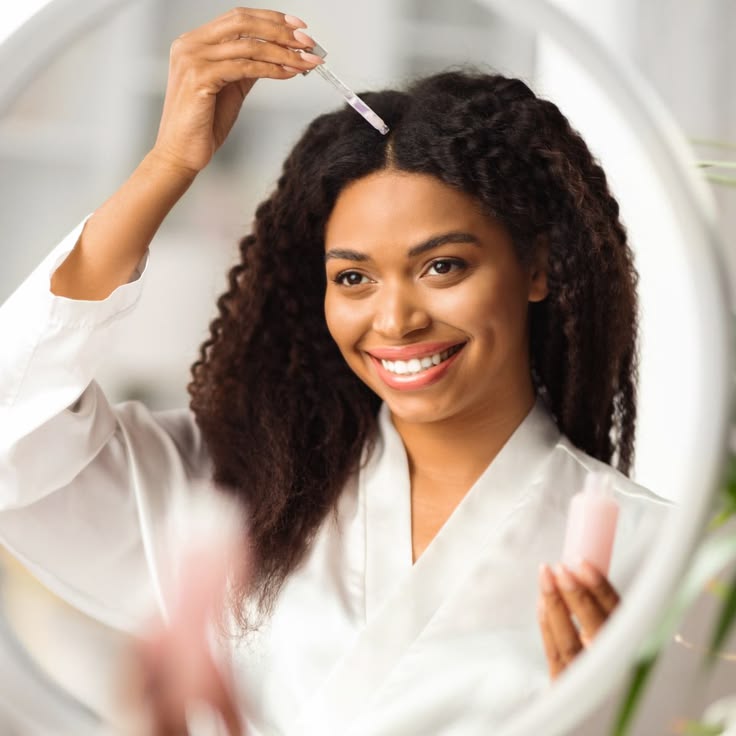
Photo: Pinterest
Copper peptides, especially GHK-Cu, are frequently referenced in hair research. They have been studied for their role in tissue repair, circulation and follicle function. Researchers examining peptide-based hair treatments say these compounds may improve conditions linked to hair strength and shedding reduction.
Experts continue to stress that peptides are not complete solutions for hair loss. Dermatologists note that peptide serums are best used as supportive treatments rather than replacements for clinically proven options such as minoxidil. Results also depend on consistency, scalp condition and the underlying cause of hair thinning.

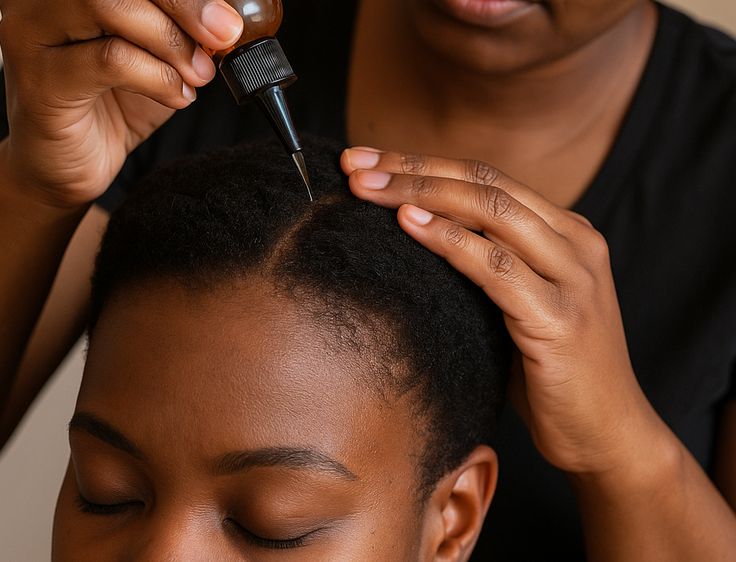
Photo: Pinterest
Scalp care has also become a larger part of modern hair routines. Lightweight serums containing peptides are often combined with ingredients such as caffeine, niacinamide, rosemary extract and biotin to maintain scalp condition and reduce breakage.
Online forums and beauty communities show increasing interest in peptide treatments. Users frequently report improvements in texture, reduced shedding and increased hair volume after several weeks of consistent use, although results differ between users.

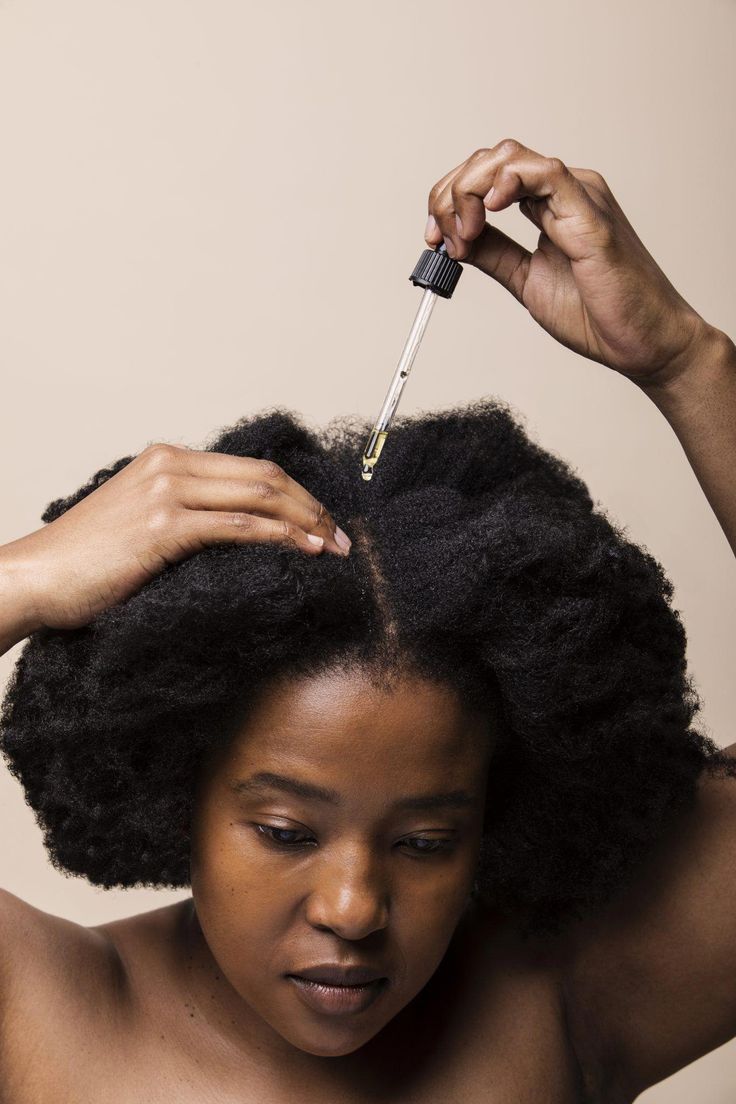
Photo: Pinterest
Peptides are also easy to add to existing routines. Most peptide products are formulated as leave-in scalp serums that can be applied daily without changing an entire hair regimen. Experts generally recommend patience, noting that changes in hair thickness and breakage often take at least two to three months of regular use.
As hair care continues moving towards ingredient-focused treatments, peptides are likely to continue attracting attention. While research is still developing, current findings suggest they may help improve hair density and overall appearance when combined with consistent scalp care and appropriate expectations.