Celebrity News
Tyla Wins Best African Music Performance at the 2026 Grammy Award

Tyla’s win at the 68th Annual Grammy Awards was seen less as a surprise and more as confirmation. By the time her name was announced for Best African Music Performance, the conversation around her had already shifted from breakout success to sustained relevance. Winning for Push 2 Start suggests her earlier Grammy win was not a one-off moment. It shows continuity.
The ceremony, held at the Crypto.com Arena in Los Angeles, placed her in direct competition with some of the most commercially dominant African artists of the last decade. Burna Boy, Davido, Ayra Starr and others entered the category with records that performed strongly across streaming platforms and radio. The field represented different branches of African pop, from stadium-sized Afrobeats to cross-regional collaborations. Tyla’s win suggests the Recording Academy is responding not only to popularity but to how African music is being reshaped for a global market.


Photo Credit – Google
Push 2 Start is a clear example of that shift. The record is engineered for international playlists without flattening its South African roots. Its rhythmic structure leans into amapiano’s bounce, but its vocal delivery and production polish align with global pop and R&B standards. That balance has become Tyla’s signature. She is not exporting a local sound unchanged, nor is she diluting it for crossover appeal. Her music sits between African club traditions and Western pop architecture.
This Grammy win carries real industry weight. The Best African Music Performance category is still relatively new, and early winners inevitably shape how the award is seen. Tyla claiming it twice is unusual for such a young category. It signals that African music is being treated as a competitive field where sustained excellence is possible. For younger artists watching, that distinction matters.


Photo Credit – Google
Industry response to the result exposed how emotionally invested fans across the continent have become in international recognition. Social media debates flared immediately, particularly among South African audiences who had rallied behind their nominees. That reaction reflects the stakes attached to the category. The Grammy is no longer viewed as an external validation disconnected from African music scenes. It has become part of how African audiences argue about status and direction in the industry.
Tyla’s trajectory challenges the old idea that African artists must relocate culturally or geographically to succeed at this level. Her identity remains anchored in South African youth culture, fashion and dance, and that grounding is visible in her performances and visuals. She is marketed globally, but she isn’t stripped of her cultural identity. That distinction is central to her appeal. International audiences are not just consuming a song; they are buying into a scene.

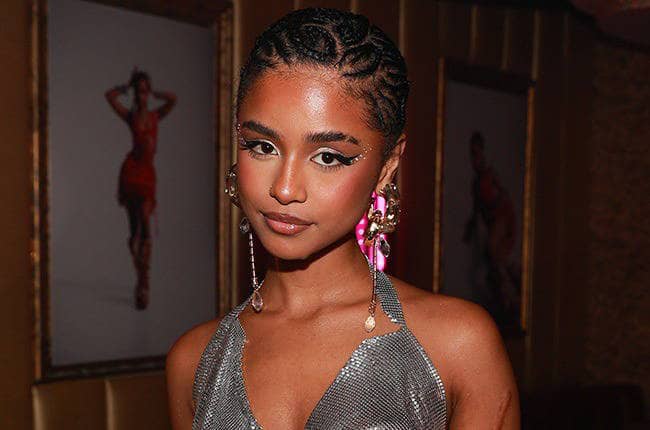
Photo Credit – Google
Her presence at the ceremony reinforced that positioning. Red carpet coverage placed her alongside major American and European pop figures rather than isolating her as a niche representative of a regional category. In practical terms, that visibility feeds back into touring opportunities, brand partnerships and festival bookings. Awards change how money, tours and deals move around the industry. A second Grammy strengthens her negotiating power across the industry.
Beyond Tyla’s career, the way this category is treated is changing. African pop is increasingly treated as a stable presence in contemporary music culture rather than a passing trend. Her second Grammy does not close a chapter; it raises expectations. Future releases will be judged against a higher bar, both by the Academy and by an audience that now expects her to extend, not repeat, the formula that brought her here.

Photo Credit – Google
The award marks a new phase. Sustaining momentum after institutional recognition is historically harder than achieving it. Tyla now occupies a space where every move contributes to how African pop’s long-term place on global stages is defined. Her success is personal, but its implications stretch beyond one career. It tests whether the infrastructure around African artists can support longevity at the highest level, not just moments of breakthrough.