Beauty
The Hidden Risks of Adult Skincare Products for Young Skin

Interest in skincare among children and teenagers has grown rapidly in recent years. Social media, influencer recommendations and colourful packaging have encouraged many young people to treat skincare as a trend instead of focusing on healthy skin. As a result, many are using products developed for adults without understanding how they affect younger skin.
Dermatologists have raised concerns about this growing habit. While basic skincare can benefit young people, many adult products contain active ingredients that are unnecessary and may irritate developing skin.
Young Skin Needs a Different Approach

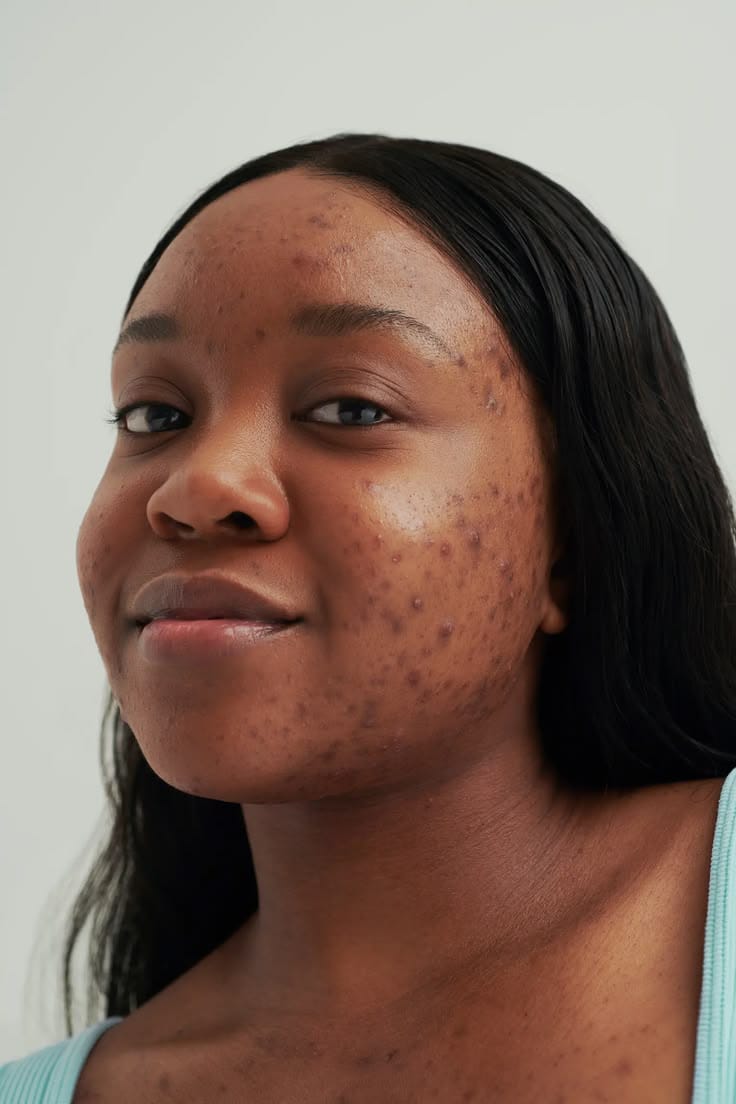
Photo – Pinterest
Children’s and teenagers’ skin has different needs from adult skin. Its protective barrier is still developing, making it more vulnerable to irritation and moisture loss. Hormonal changes during adolescence can also make skin more prone to excess oil and breakouts.
Using strong active ingredients too early or too often can leave the skin dry, red and sensitive instead of improving it.
Ingredients to Watch

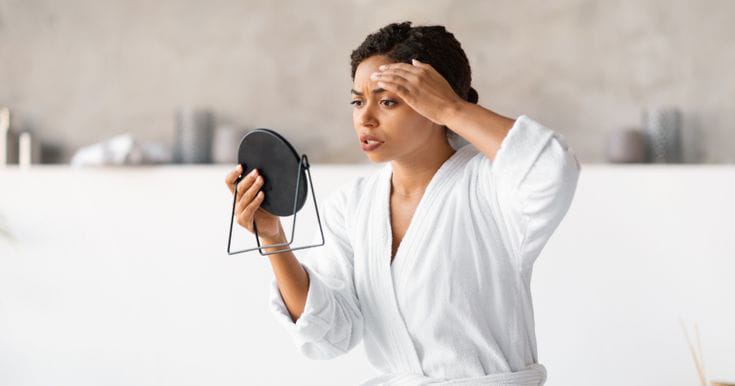
Photo – Pinterest
One of the biggest concerns is the growing use of anti-ageing products by children and young teenagers.
Retinol and other retinoids are designed to treat signs of ageing but can cause peeling, dryness and increased sensitivity to sunlight. Unless prescribed by a dermatologist for acne, they are generally unnecessary for young skin.
Chemical exfoliants, including alpha hydroxy acids (AHAs) and beta hydroxy acids (BHAs), can weaken the skin barrier when overused, leading to irritation and peeling.
Highly concentrated vitamin C products may also irritate sensitive skin, particularly when combined with other active ingredients. Fragrances and essential oils can trigger allergic reactions or skin irritation in some children and teenagers.
When Trends Replace Good Advice

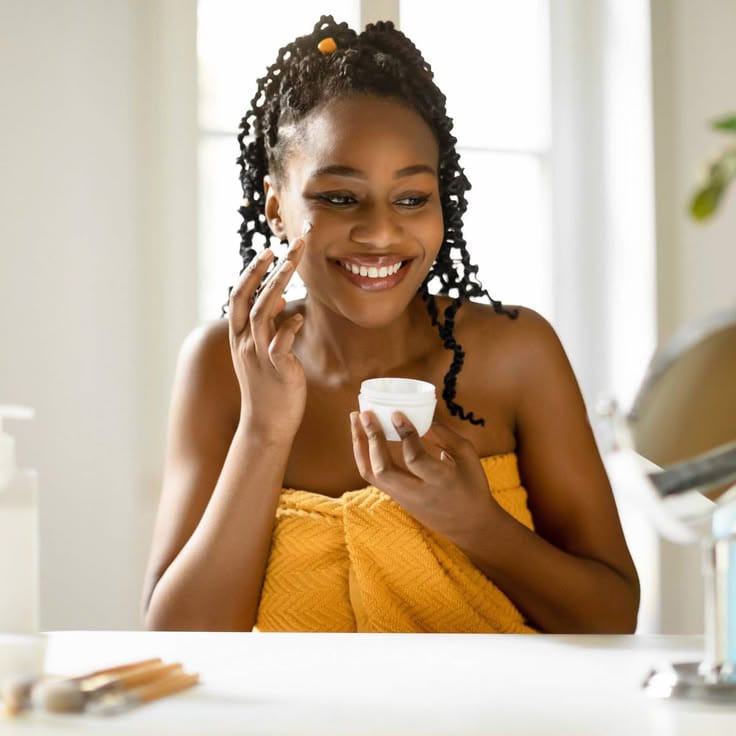
Photo – Pinterest
Many viral skincare routines feature six or more products layered together. Young viewers often copy these routines without understanding whether the ingredients are suitable for their age or skin type.
More products do not automatically mean healthier skin. In fact, overloading the skin with active ingredients can damage its protective barrier and make existing problems worse.
Keep It Simple
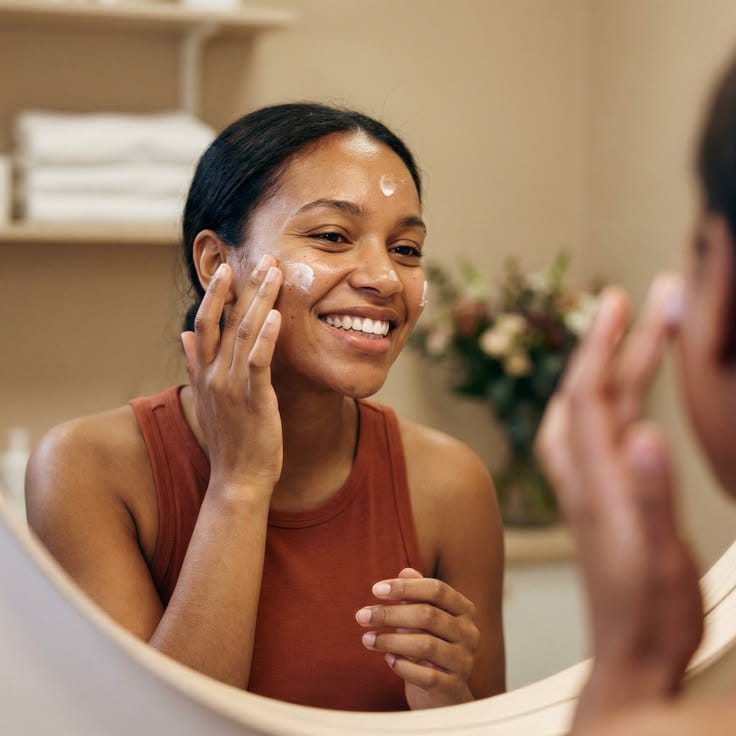
Photo – Pinterest
For most children, a gentle cleanser, a fragrance-free moisturiser and daily sunscreen are enough to maintain healthy skin. Teenagers with acne or persistent skin concerns should seek advice from a healthcare professional or dermatologist instead of relying on social media recommendations.
Warning signs that a routine is too harsh include persistent redness, burning, peeling, itching, increased sensitivity or worsening breakouts. If these symptoms develop, stop using the products and seek professional advice.
The Bottom Line

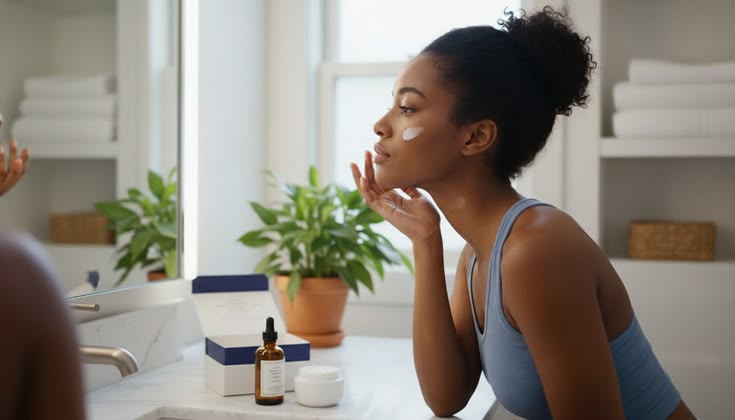
Photo – Pinterest
Skincare trends change quickly, but young skin does not need powerful anti-ageing products or lengthy routines. Products made for adults are designed to address concerns that children simply do not have, and using them too early can do more harm than good.
A simple routine centred on gentle cleansing, moisturising and daily sun protection is usually the safest choice. Building healthy skincare habits early is far more valuable than following the latest beauty trend.