Lifestyle
The Health Benefits of Rooibos Tea You Should Know

Rooibos has long been part of South African tea culture. Made from the leaves of Aspalathus linearis, a shrub indigenous to South Africa, rooibos is technically a herbal infusion rather than a true tea. It is naturally caffeine-free, unlike black and green tea, and has a naturally sweet taste with a distinctive reddish-brown colour.
One reason rooibos stands out is its antioxidant content. It contains plant compounds including aspalathin and quercetin, which have been studied for their potential effects on oxidative stress and inflammation. Antioxidants can help neutralise free radicals, unstable molecules that can damage cells.
It contains no caffeine

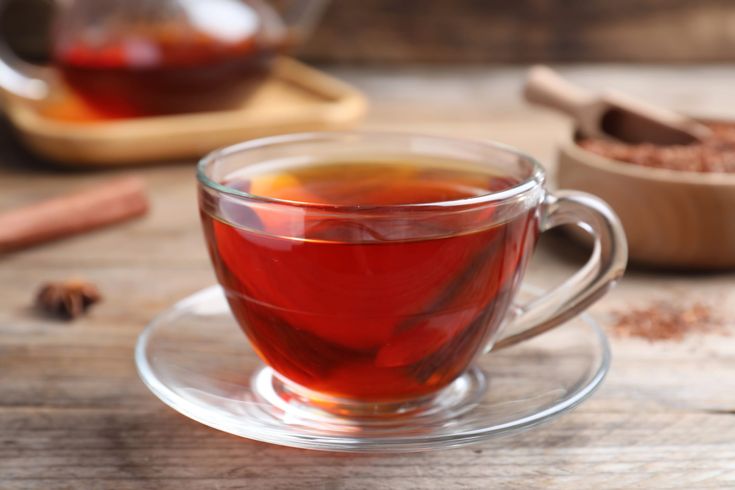
Photo: Pinterest/@Claire
For people avoiding caffeine, rooibos is an alternative to coffee, black tea and green tea. Because it contains no caffeine, it can be enjoyed later in the day without increasing your caffeine intake. However, this does not make rooibos a treatment for insomnia. There is currently limited evidence that it directly improves sleep.
It is low in tannins

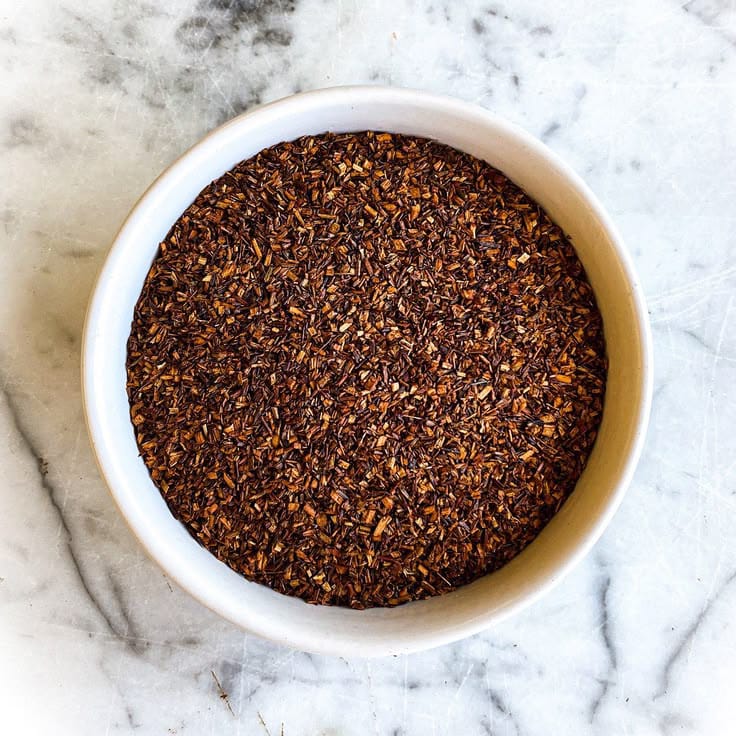
Photo: Pinterest/@Home Folk
Rooibos contains very low levels of tannins compared with traditional black and green teas. Tannins can reduce the absorption of non-haem iron from food. This makes rooibos an option for people looking for a lower-tannin alternative to conventional tea.
It may support heart health
Research into rooibos and cardiovascular health is ongoing. Human studies have reported changes in some cardiovascular risk factors, including blood lipid profiles, while other research has produced mixed findings. Larger clinical trials are still needed, and rooibos should not be considered a treatment for high blood pressure or heart disease.
It may affect blood sugar

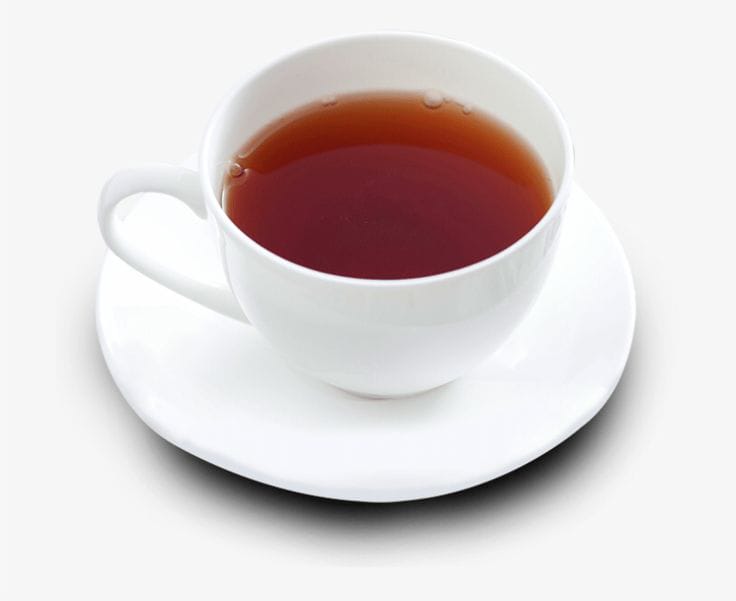
Photo: Pinterest/@Home Folk
Aspalathin, a compound found in rooibos, has been studied for its possible effects on glucose metabolism. A review of human studies found limited evidence of effects on blood glucose, although the studies were small and used different amounts and forms of rooibos. More research is needed before rooibos can be considered a reliable way to manage blood sugar.
Green rooibos is processed differently
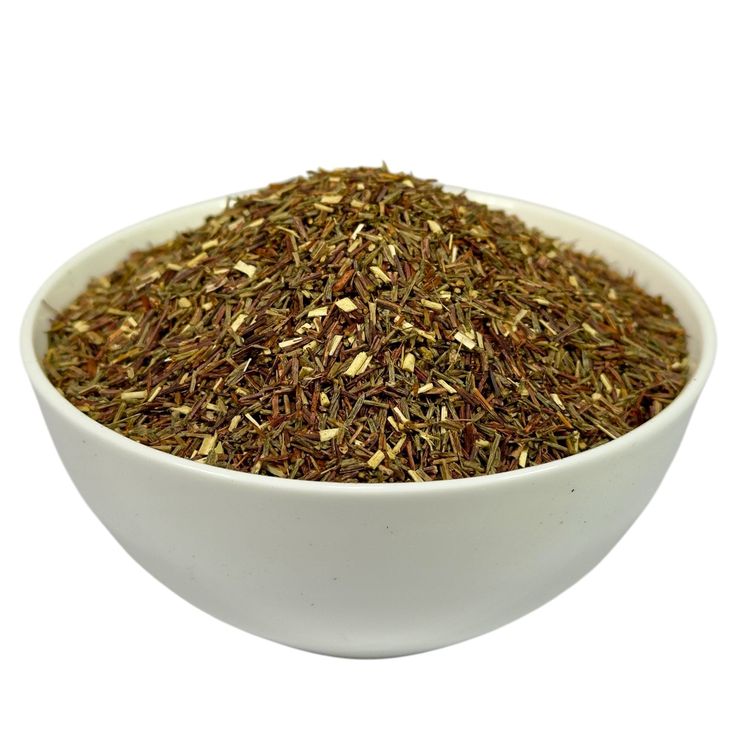
Photo: Pinterest/@Nibelungentee
Traditional rooibos is fermented, giving it its familiar reddish-brown appearance. Green rooibos is left unfermented and generally contains higher levels of certain antioxidants. The concentration of these compounds can vary depending on growing conditions and how the rooibos is prepared.
What about inflammation and disease?

Photo: Pinterest/@Home Folk
Claims about rooibos and disease prevention require caution. Laboratory and animal research has found antioxidant and anti-inflammatory effects, but these findings do not establish that drinking rooibos prevents cancer, protects the liver or treats disease in humans.
A review of human research found a limited number of intervention studies involving relatively small numbers of participants. This means there is still a gap between what researchers have observed in laboratory studies and what has been demonstrated in people.
For most people, rooibos can be a simple way to replace a caffeinated drink while adding plant compounds to the diet. It should not be treated as medicine or used as a substitute for prescribed treatment. If you have a medical condition or take prescription medicines, speak to a healthcare professional before making rooibos a regular part of your diet.