Beauty
NAD+ Drips and Peptides: Could Biohacking Change Anti-Ageing?

Anti-ageing has traditionally focused on the skin, with sunscreen, retinoids, injectables, lasers and other cosmetic treatments used to address visible signs of ageing. Now, the conversation is moving towards treatments that claim to influence ageing from inside the body.
NAD+ drips and peptide therapies have become part of the growing longevity and biohacking market, with clinics promoting them for energy, recovery, metabolism and healthy ageing. Celebrity and influencer interest has also brought these treatments to a wider audience.
The science, however, is more complicated than the marketing.
Why NAD+ Is Getting Attention

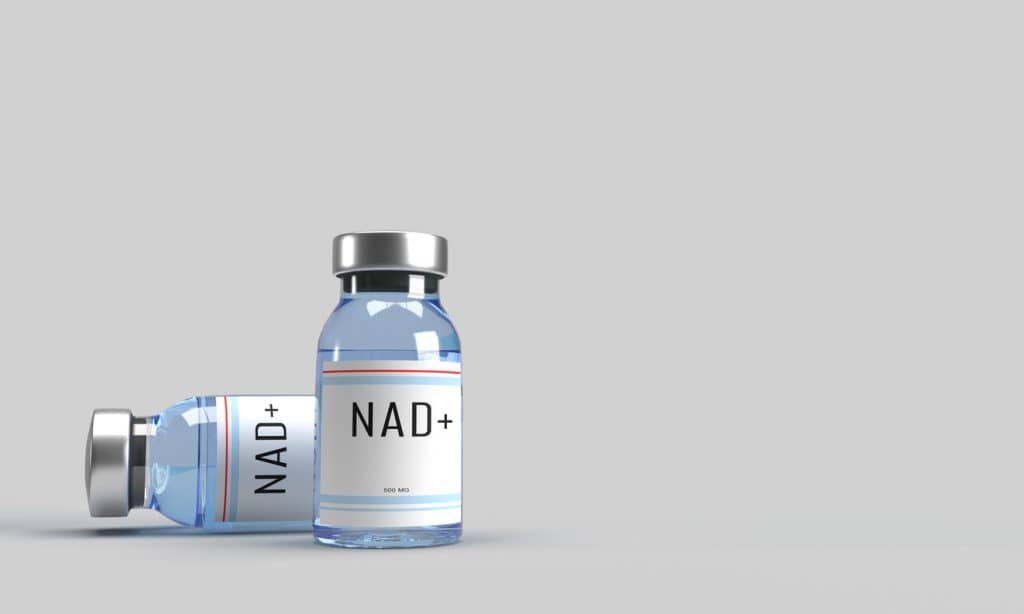
Photo: Pinterest
Nicotinamide adenine dinucleotide, or NAD+, is a coenzyme found throughout the body. It plays a role in energy production, cellular signalling and DNA repair. NAD+ availability appears to change with age, prompting researchers to investigate whether increasing it could influence some processes associated with ageing.
One of the more visible treatments is intravenous NAD+, delivered through a drip. Wellness clinics promote NAD+ infusions for concerns including fatigue, recovery, cognitive function and longevity.
But understanding what NAD+ does biologically is different from proving that an infusion slows ageing.
A 2026 systematic review in Ageing Research Reviews found evidence that oral NAD+ precursors, including nicotinamide riboside and nicotinamide mononucleotide, can increase NAD-related biomarkers. However, evidence that these changes consistently translate into meaningful improvements in health remains limited.
The distinction is important because changing a biological marker does not automatically mean fewer wrinkles, better memory, improved physical performance or a longer lifespan.
There is also a difference between oral NAD+ precursors and intravenous NAD+. A 2026 study of commercially administered IV NAD+ reported short-term findings, including tolerability and exploratory metabolic outcomes, but this does not establish that NAD+ infusions slow human ageing.
Where Peptides Fit In

Photo: Pinterest
Peptides are short chains of amino acids that perform different functions in the body. Some peptide-based medicines have established medical uses, while others are still being investigated.
At the same time, peptides are increasingly marketed through longevity clinics and online communities for claims involving muscle recovery, fat loss, sleep, skin health and other aspects of ageing.
This makes the word “peptide” particularly easy to misunderstand. An approved peptide medicine and an experimental compound marketed online for longevity do not have the same evidence, regulation or safety profile.
Peptides are also common in topical skincare, where certain formulations are marketed to improve the appearance of firmness and fine lines. Applying a peptide serum to the skin, however, is very different from injecting a peptide into the body. The route of administration affects the dose, potential risks and biological effects.
What Does Biohacking Really Offer?

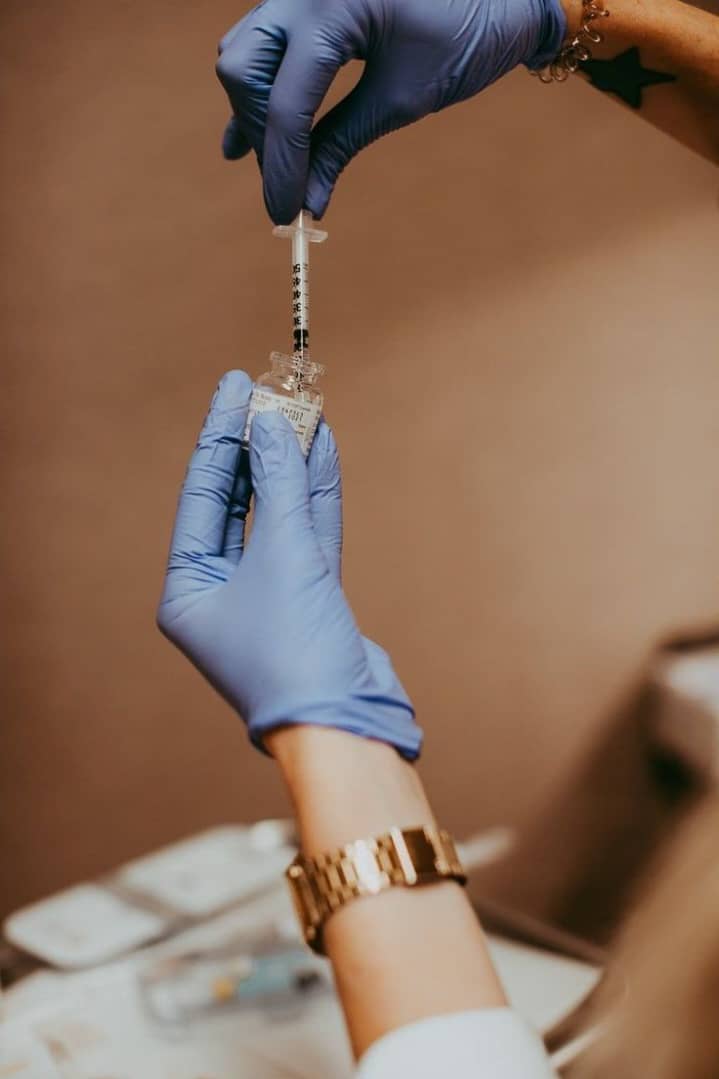
Photo: Pinterest
Longevity research is investigating processes including cellular energy production, DNA repair, inflammation, mitochondrial function and metabolic health. NAD+ is part of this research because of its role in several cellular processes.
But promising biological research does not automatically produce a proven treatment.
For consumers considering a longevity therapy, the important questions are what has actually been tested, in whom, at what dose, by which route and for what outcome.
Cost is another consideration. Repeated infusions or injectable treatments can become expensive, particularly when they are offered as ongoing wellness programmes.
There are also safety questions. IV treatment is an invasive procedure, while injectable peptides may carry risks related to the compound, dosing, contamination or product quality. These concerns are particularly relevant when substances are obtained through poorly regulated online sources.
Conclusion

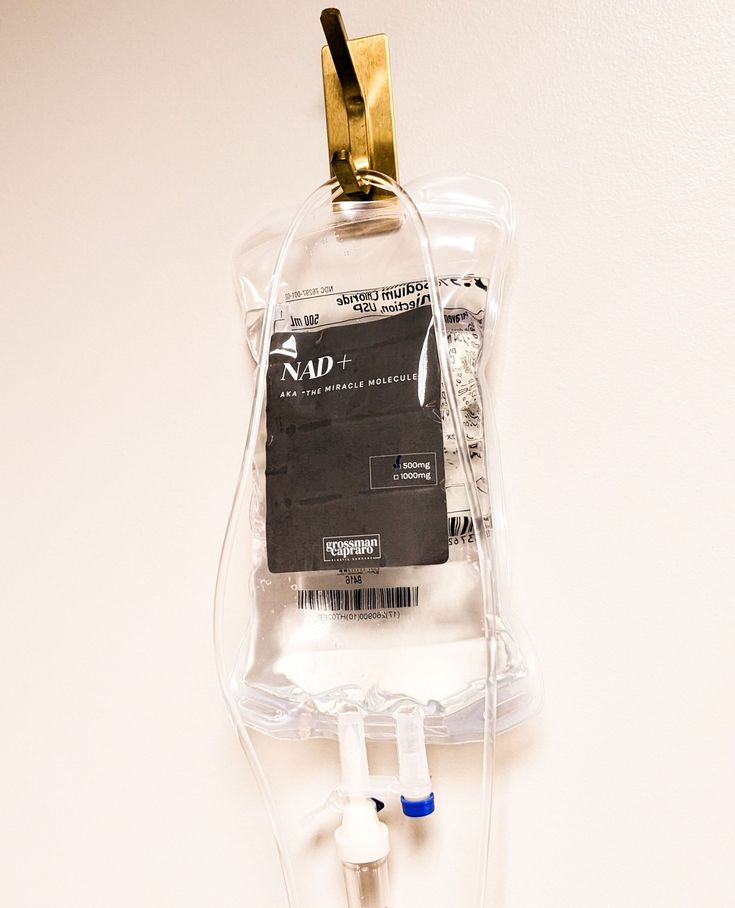
Photo: Pinterest
Some of the best-supported approaches to healthy ageing remain conventional: regular exercise, adequate sleep, a balanced diet, avoiding smoking and managing cardiovascular risk.
That does not mean NAD+ or peptide research should be dismissed. Some treatments may eventually prove useful for specific aspects of ageing or age-related disease.
For now, though, the evidence does not support treating NAD+ drips or experimental peptide injections as established anti-ageing therapies.
The next step is better human research showing whether changing these biological pathways produces meaningful improvements in health and function over time. Until then, biohacking remains an emerging area of longevity research, not a proven shortcut to slowing ageing.