Beauty
How to Use Honey to Soothe Dry, Chapped Lips

Dry, chapped lips can become uncomfortable quickly, particularly when the skin starts to peel or crack. While a good lip balm is usually the simplest option, honey is another ingredient sometimes used to soothe dry lips.
Honey has humectant properties, which means it can help draw and retain moisture. It also has antimicrobial and anti-inflammatory properties that have been studied in wound care. These properties are part of the reason honey appears in skincare remedies, although evidence specifically supporting ordinary household honey as a treatment for chapped lips is limited.
How to apply honey to chapped lips

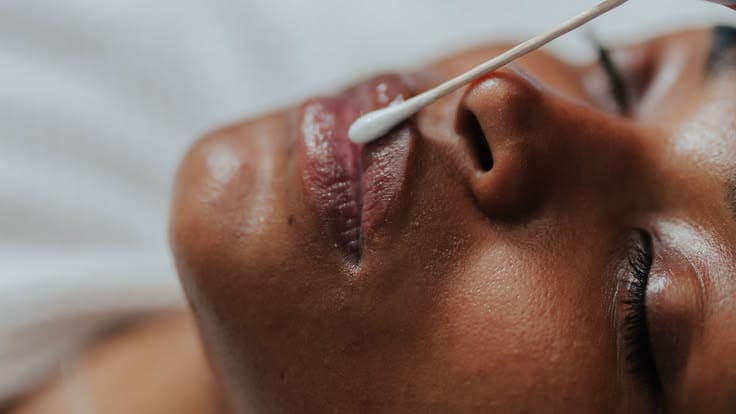
Photo: Pinterest
If you want to try honey, start with clean lips. Rinse gently with lukewarm water and pat them dry. Avoid scrubbing or removing peeling skin, as this can cause further irritation.
Apply a small amount of plain, food-grade honey to your lips using a clean fingertip. Some beauty guides recommend leaving it on for a few minutes before gently rinsing it off with lukewarm water.
There is no need to apply a thick layer. If your lips are very dry, follow with a plain, fragrance-free lip ointment to help reduce moisture loss.
Honey is not a replacement for lip ointment

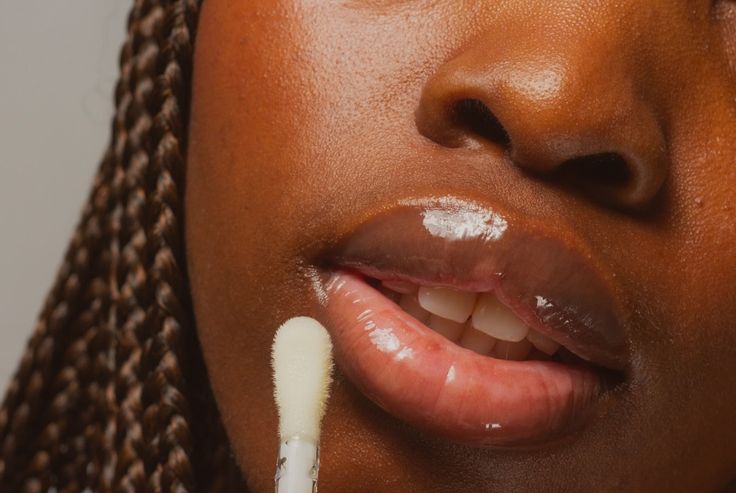
Photo: Pinterest
Honey may provide temporary soothing, but it should not replace basic lip care. Dermatologists commonly recommend bland, non-irritating products containing ingredients such as petrolatum, mineral oil, ceramides, dimethicone or shea butter for dry, chapped lips.
Petrolatum, in particular, forms a protective layer that helps prevent water from escaping from the skin. This can be especially useful when lips are cracked or repeatedly becoming dry.
During the day, remember to protect your lips from the sun. Choose a lip product with SPF 30 or higher when spending time outdoors, as sun exposure can contribute to dry and damaged lips.
Avoid habits that prolong chapping
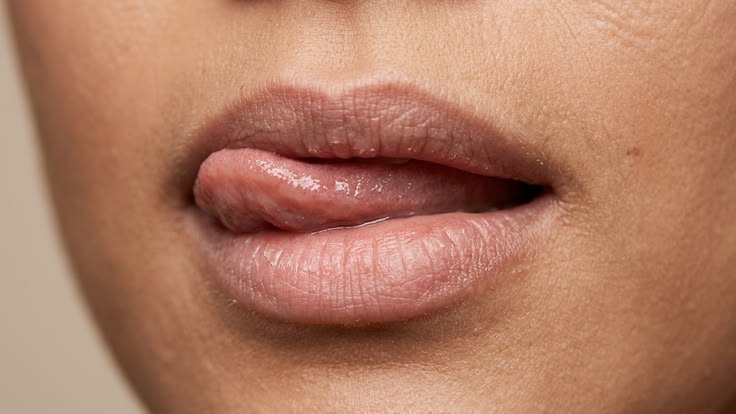
Photo: Pinterest
Lip licking can make dryness worse. Saliva evaporates quickly, and repeatedly wetting the lips can contribute to further irritation. Picking or biting peeling skin can also delay healing.
It is also worth checking the ingredients in your lip products. Menthol, camphor, eucalyptus, fragrance and some flavourings may irritate already-chapped lips. If a product causes burning, stinging or tingling, stop using it instead of assuming the sensation means it is working.
When to see a dermatologist

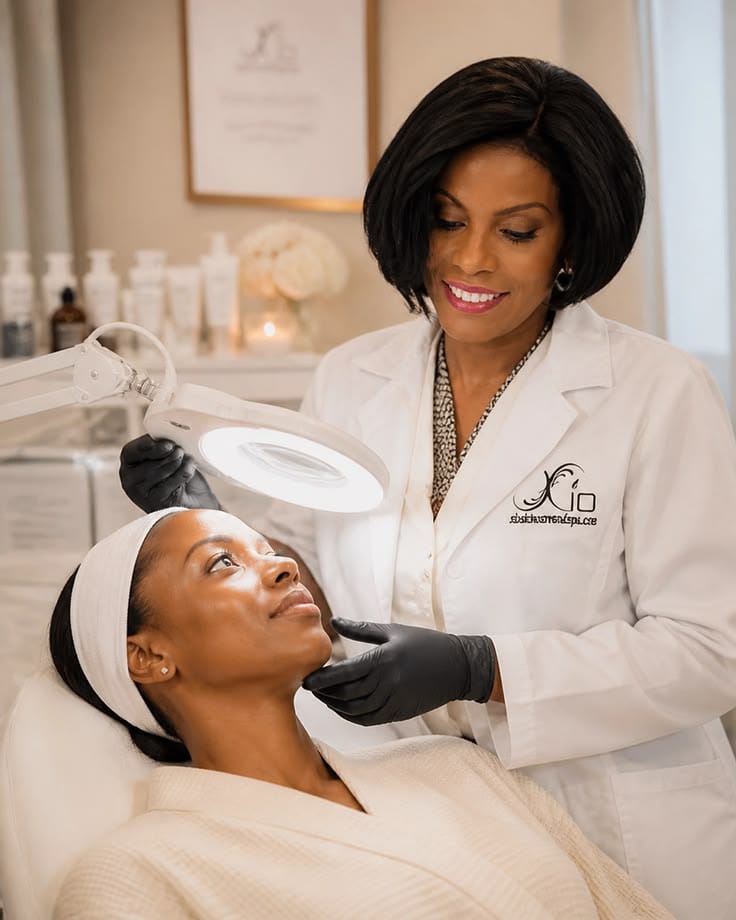
Photo: Pinterest
Most cases of dry lips can be managed with simple care, but persistent or severe cracking deserves attention. If your lips do not improve with basic care, or remain repeatedly dry, painful or cracked, speak to a dermatologist. Persistent lip problems can sometimes be associated with irritation, allergic reactions, infection or other skin conditions.
Honey can be tried as an occasional soothing ingredient, but the basics remain more important: avoid irritating the lips, keep them moisturised and use a protective ointment when they are dry or cracked.