Beauty
How to Reduce Puffy Eyes and Dark Circles Naturally

Puffy eyes and dark circles are often linked to a combination of sleep patterns, genetics and lifestyle factors. While lack of sleep plays a role, allergies, dehydration, stress, excess salt, sun exposure and frequent eye rubbing can also affect the appearance of the under-eye area.
Dermatologists are increasingly focusing on practical daily habits and long-term skincare routines instead of temporary beauty trends when addressing under-eye concerns.
Improve Your Sleep Position


Photo – Pinterest
Getting enough sleep matters, but sleeping position can also affect puffiness. When fluid collects around the eyes overnight, the under-eye area may appear swollen in the morning.
Sleeping with your head slightly elevated using an extra pillow can help reduce fluid retention. Many dermatologists recommend this alongside a regular skincare routine.
Poor sleep quality can also make blood vessels beneath the thin under-eye skin more visible, which may deepen dark circles.
Use Cold Compresses


Photo – Pinterest
Cold temperatures can help constrict blood vessels and reduce swelling temporarily.
A chilled spoon wrapped in a soft cloth, refrigerated cucumber slices or a cold face cloth can help reduce morning puffiness. Apply for around 10 minutes.
Cold green tea or black tea bags may also help because caffeine can tighten blood vessels and reduce swelling.
Avoid Rubbing Your Eyes


Photo – Pinterest
Frequent eye rubbing can worsen dark circles. It irritates the delicate skin under the eyes and may cause tiny blood vessels to become more visible over time.
This is especially common in people with allergies or irritated eyes. If your eyes itch often, focus on treating the irritation instead of touching the area repeatedly.
Skincare application should also be gentle. Pat products lightly into the skin instead of dragging the under-eye area.
Cut Back on Salt and Alcohol


Photo – Pinterest
A salty meal can cause puffiness around the eyes the following morning. Excess sodium encourages the body to retain water, especially in thinner areas of skin.
Alcohol may also contribute by dehydrating the skin and affecting sleep quality.
Reducing processed snacks, late-night salty foods and excessive alcohol intake may help reduce puffiness over time.
Stay Hydrated


Photo – Pinterest
Dehydrated skin can make the under-eye area appear less healthy. When the body lacks water, the skin under the eyes may look sunken or darker.
Regular water intake will not remove dark circles overnight, but consistent hydration supports better skin health.
Foods with high water content, including cucumber, watermelon and oranges, may also help maintain skin hydration.
Protect the Under-Eye Area From Sun Exposure


Photo – Pinterest
Sun damage can increase pigmentation around the eyes, especially in deeper skin tones.
Many people apply sunscreen to the cheeks and forehead but ignore the under-eye area. A lightweight sunscreen and sunglasses can help prevent further darkening caused by UV exposure.
This is particularly important if dark circles appear more brown than blue or purple.
Use Ingredients That Target Puffiness and Dark Circles
Natural remedies may help, but some skincare ingredients have stronger evidence behind them.
Dermatologists commonly recommend:
Caffeine for puffiness
Vitamin C for brightening
Hyaluronic acid for hydration
Niacinamide for supporting the skin barrier
Retinol for improving skin texture over time
Keeping eye creams in the refrigerator may also improve their cooling effect.
Understand the Role of Genetics

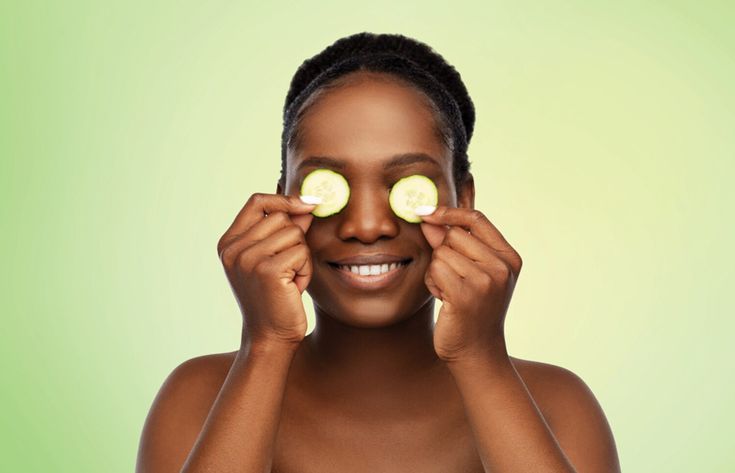
Photo – Pinterest
Not all dark circles can be fully removed naturally. In some cases, genetics, facial structure or naturally thin skin make the under-eye area appear darker regardless of sleep or skincare habits.
Lifestyle changes may still reduce their appearance, even if they do not remove them completely.
Treating the under-eye area as part of an overall skincare and wellness routine is usually more effective than relying on quick fixes or viral skincare trends.