Sex & Relashionships
Are Condoms Still Reliable? What You Need to Know

Condoms remain one of the most accessible ways to prevent pregnancy and reduce the risk of sexually transmitted infections (STIs). Yet concerns about condoms breaking, slipping or failing can make people question how much protection they actually provide.
The short answer is that condoms are highly effective when used correctly and consistently. The World Health Organization estimates that male condoms are 98% effective at preventing pregnancy with correct use every time. With typical use, effectiveness is about 87%, largely because condoms are sometimes used incorrectly or not every time sex takes place.
That difference is important. It does not mean that 13% of condoms break or fail. The figure reflects the number of people who experience an unintended pregnancy over a year while relying on condoms as their contraceptive method.
Why Condoms Fail

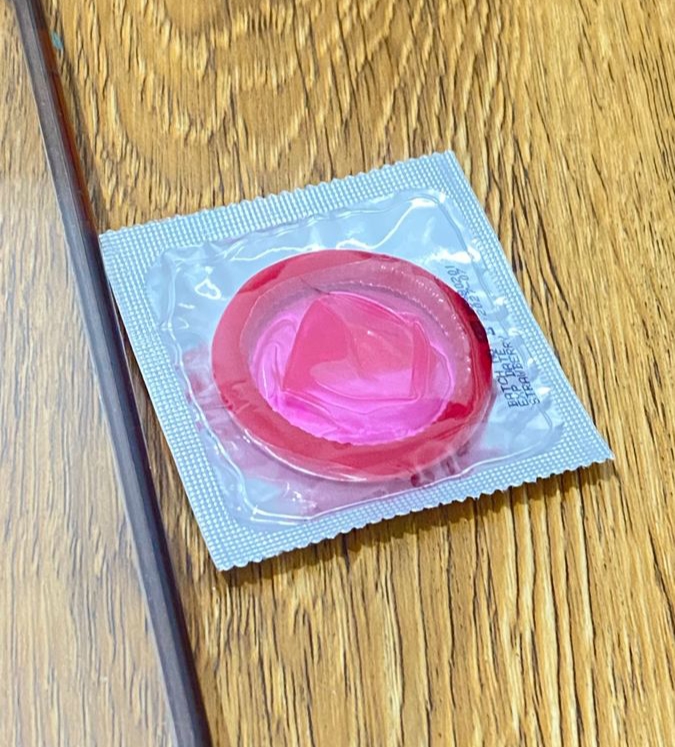
Photo – Stock
Breakage and slipping can happen, but they are not the most common reason condoms fail. Incorrect or inconsistent use is a bigger concern.
Check the expiry date and make sure the packet is intact before opening it. Take care when removing the condom from its packaging, as fingernails, jewellery or teeth can damage it.
Put the condom on before any genital contact. Squeeze the tip to remove air and leave room for semen, then roll it down to the base of the penis. After ejaculation, hold the base while withdrawing to reduce the chance of slipping.
Storage also matters. Condoms should be kept somewhere cool and dry. Prolonged exposure to heat or friction can damage the material.
Lubricant Can Make a Difference

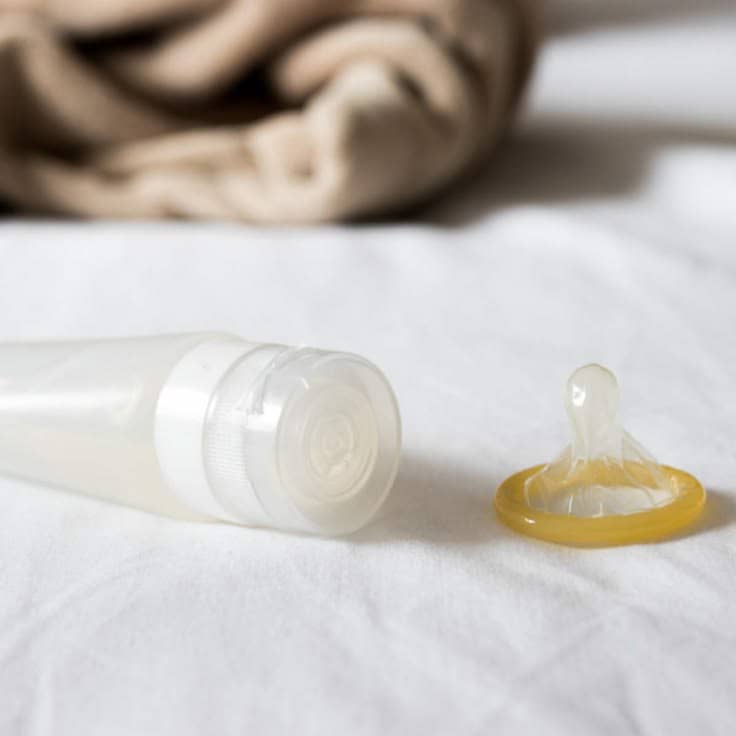
Photo – Stock
The wrong lubricant can weaken latex condoms and increase the risk of breakage. Oil-based products such as petroleum jelly and some body oils and lotions should not be used with latex condoms.
Water-based and silicone-based lubricants are generally suitable for use with latex. Adequate lubrication is particularly important during anal sex, where there may be less natural lubrication and more friction.
Using two condoms at the same time does not provide extra protection. The friction between them can increase the chance of tearing. A new condom should also be used for every act of vaginal, anal or oral sex.
How Much Protection Do Condoms Offer Against STIs?


Photo – Stock
Condoms reduce the risk of many STIs, including HIV, gonorrhoea and chlamydia, when used correctly and consistently. However, they do not cover all genital skin.
Infections such as herpes, HPV and syphilis can sometimes spread through skin-to-skin contact involving areas outside the condom. This means condoms can reduce the risk but cannot eliminate it completely.
Regular STI testing remains important, particularly for people with new or multiple sexual partners or when a partner’s STI status is unknown.
What If a Condom Breaks?

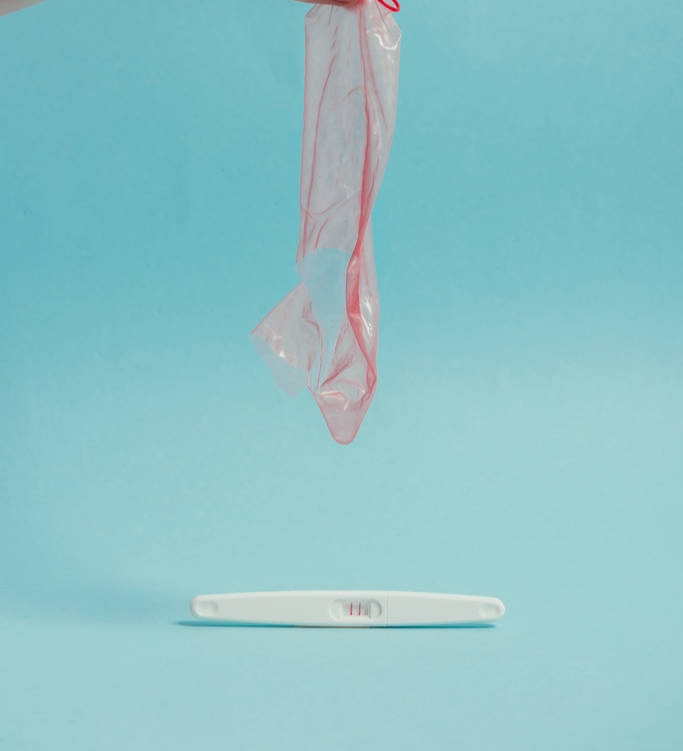
Photo – Stock
If a condom breaks or slips during sex, do not assume there is nothing you can do.
If pregnancy is possible, emergency contraception can be used within five days of unprotected sex, although it is more effective when used sooner. A healthcare professional or clinic can advise on the most appropriate option.
If there may have been exposure to HIV, post-exposure prophylaxis (PEP) should be considered urgently. It needs to be started as soon as possible and no later than 72 hours after exposure. A healthcare professional can assess whether PEP is appropriate.
The Bottom Line
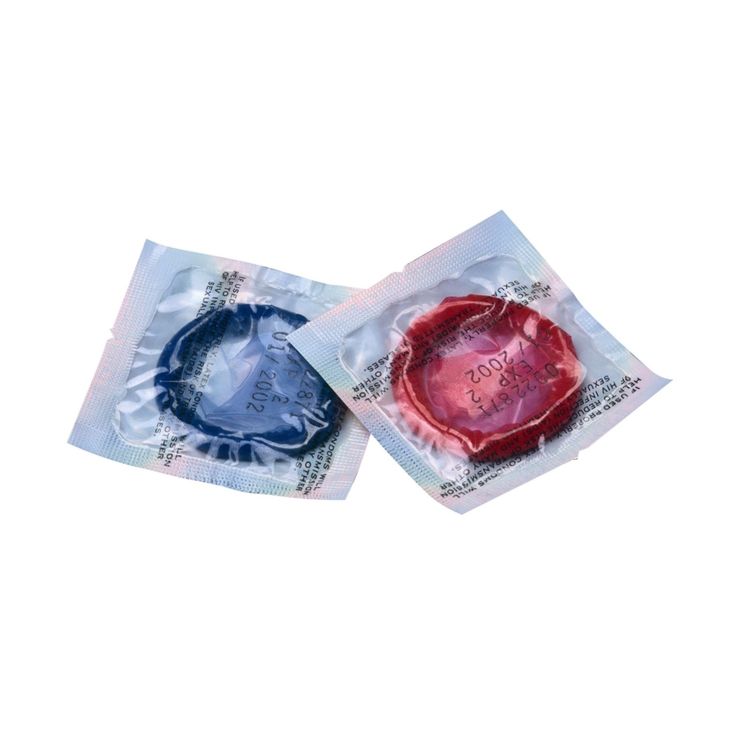
Photo – Stock
Condoms are not perfect, but they remain a dependable way to reduce the risk of unintended pregnancy and many STIs. Their effectiveness depends heavily on using them correctly and every time.
Check the expiry date, use a suitable lubricant, put the condom on before genital contact, avoid using two condoms together and never reuse one. When used properly, condoms remain an important part of safer sex.