Lifestyle
Women’s Month: How Thuso Mbedu Became a Global Force in Film

For years, South African actors have built successful careers locally before moving into international productions. Few have made that transition as quickly as Thuso Mbedu, whose performances have taken her from local television dramas to leading roles in acclaimed Hollywood productions.
As Women’s Month recognises the achievements of women across different industries, Mbedu’s journey stands out as one of South Africa’s most notable success stories in film. Her international profile has been built on carefully chosen roles that have earned critical recognition.

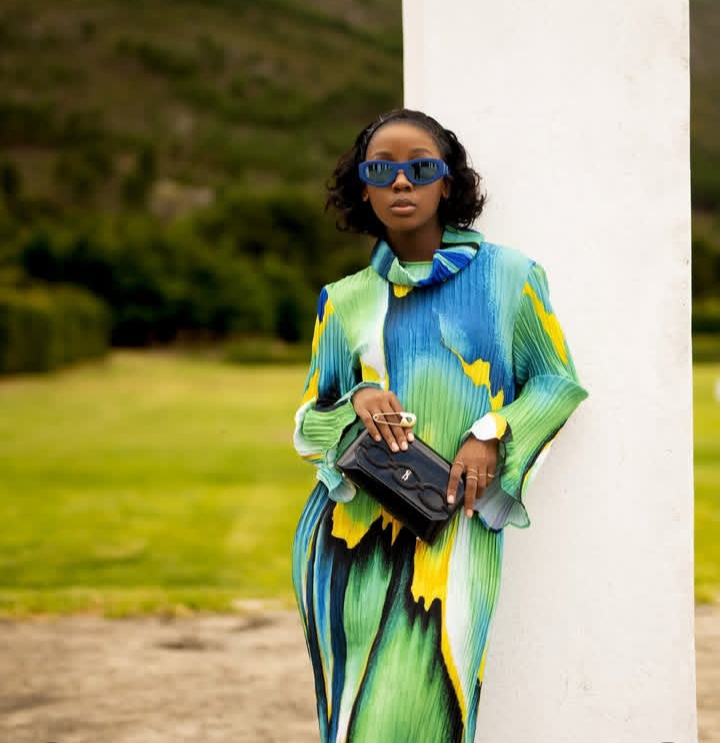
Photo: Instagram/@Thuso Mbedu
Born in Pietermaritzburg, KwaZulu-Natal, Mbedu entered the industry through South African television, gradually establishing herself as one of the country’s brightest young actors. Her breakthrough came with Is’Thunzi, where her performance earned an International Emmy Award nomination. She received a second consecutive nomination the following year for another season, becoming one of the few African actors to achieve that distinction so early in their careers.
The nominations also increased her international profile, introducing her to casting directors looking for actors capable of leading demanding productions.

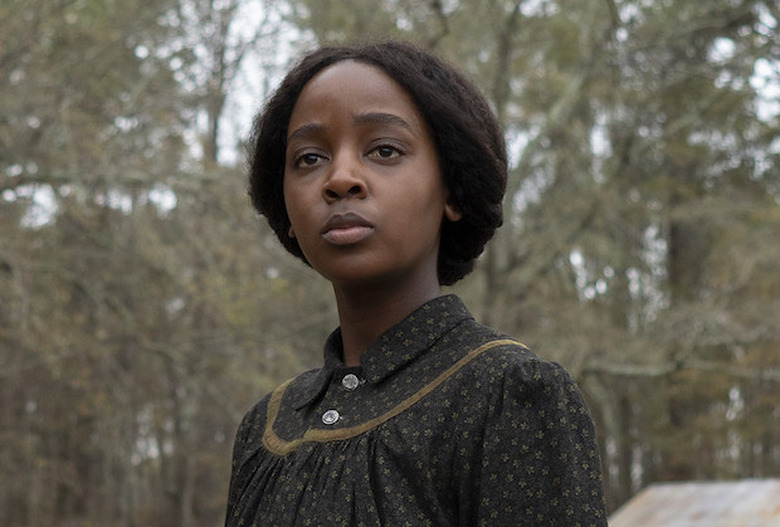
Photo: Instagram/@Thuso Mbedu
That opportunity arrived when Oscar-winning filmmaker Barry Jenkins cast her as Cora in The Underground Railroad, the television adaptation of Colson Whitehead’s Pulitzer Prize-winning novel.
Playing a young enslaved woman escaping brutality across the American South required remarkable emotional depth. Many critics praised Mbedu’s restrained performance, describing it as one of the series’ strongest. The role also made history, as she became the first South African actress to lead an American television series of that scale.

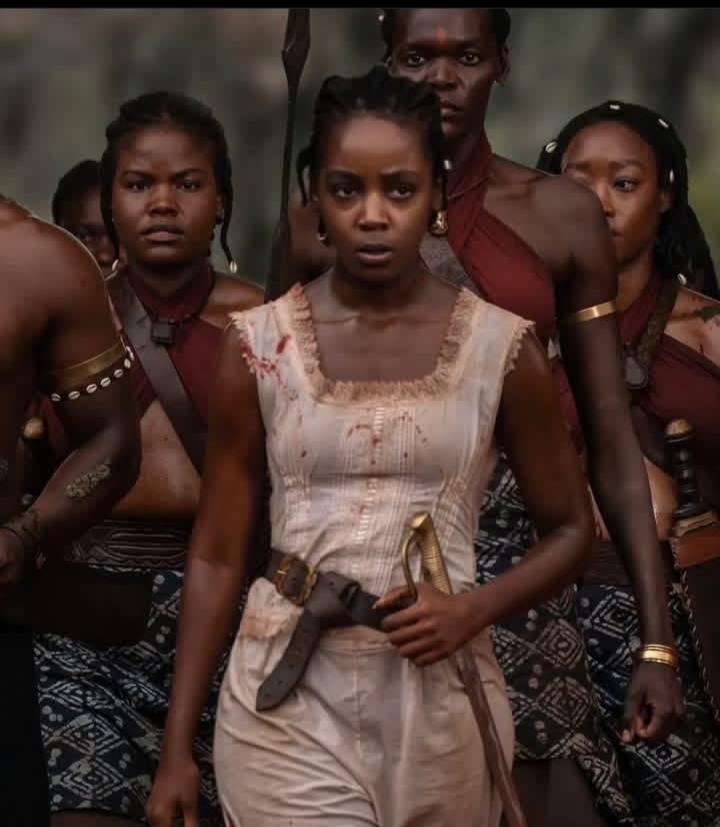
Photo: Instagram/@Thuso Mbedu
Success in Hollywood often comes with pressure to prove that a breakthrough performance was not a one-off. Mbedu answered those expectations with The Woman King.
Sharing the screen with Viola Davis, she portrayed Nawi, a determined young recruit in the Agojie, the elite all-female warrior unit of the Kingdom of Dahomey. The role demanded months of combat training, weapons practice and physical conditioning before filming began.
She delivered a performance that attracted widespread critical praise alongside an experienced cast. Reviews consistently highlighted her chemistry with Davis, whose mentor and student relationship became one of the film’s central storylines.

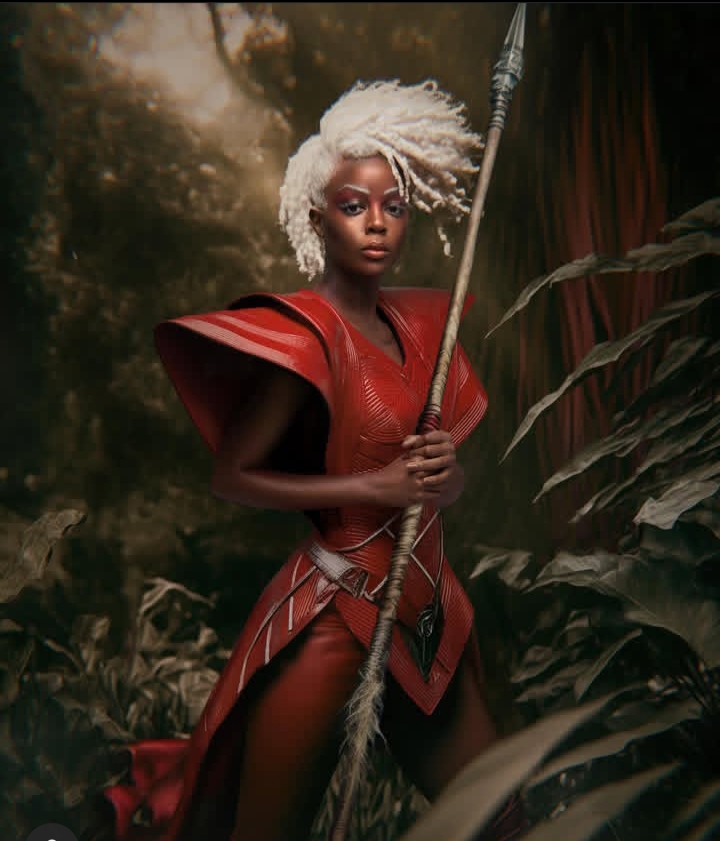
Photo: Instagram/@Thuso Mbedu
Beyond critical acclaim, the film also demonstrated that stories centred on African women could reach global audiences while succeeding commercially.
Despite her growing profile, Mbedu has remained selective about the projects she accepts. In interviews, she has repeatedly said that meaningful storytelling matters more than simply appearing in high-profile productions. She has spoken openly about wanting roles that create conversation, encourage empathy and leave audiences thinking long after the credits roll.


Photo: Instagram/@Thuso Mbedu
She has also been candid about the challenges behind her success. Raised by her grandmother after losing both parents at a young age, Mbedu has shared how financial hardship, self-doubt and personal loss shaped her outlook. Instead of portraying her success as straightforward, she often highlights persistence, preparation and continuous learning as the foundations of her progress.
Her influence now extends beyond acting. Mbedu has expressed a desire to help create more opportunities for African storytellers and to support projects led by African voices with first-hand perspectives. That ambition reflects a wider shift across global entertainment, where African creatives are increasingly shaping their own stories instead of having them told by others.

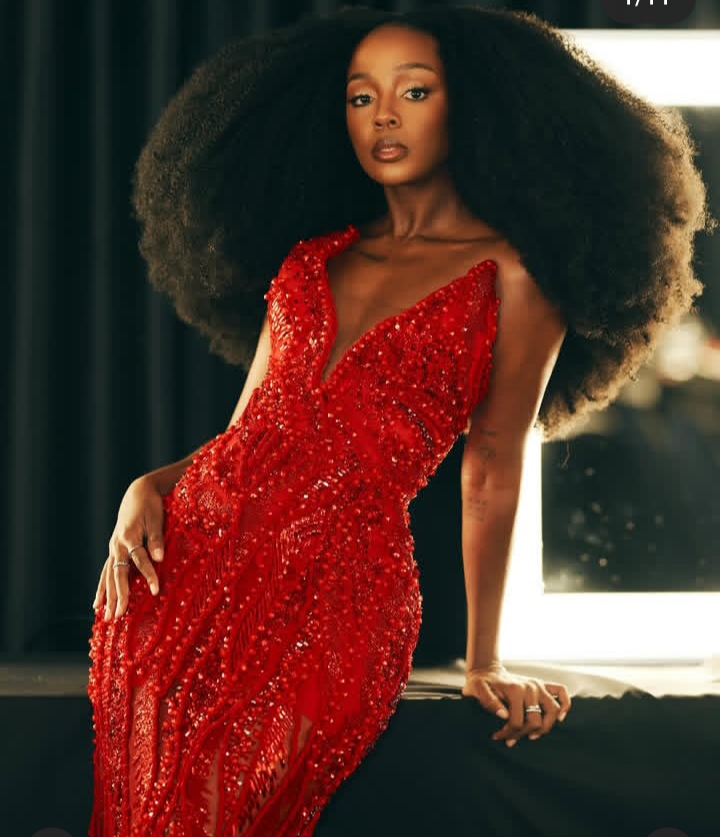
Photo: Instagram/@Thuso Mbedu
Women’s Month is a fitting time to recognise achievements that continue to reshape the film industry. Thuso Mbedu’s career reflects that progress. She has earned international recognition without losing sight of the values that shaped her career. Her success also reflects the growing influence of South African performers on the world stage.
Mbedu is now recognised as one of South Africa’s most internationally recognised actors, with a career that continues to expand across borders. Her achievements also provide an example for young actors hoping to build successful international careers while remaining connected to their South African roots.