Beauty
Why Maximalist Makeup Is Set to Be the Biggest Beauty Mood of 2026

For much of the past decade, makeup followed a narrow visual formula. Skin was expected to look untouched, colours stayed polite, and anything too noticeable was subtly discouraged. The appeal of understatement was clear, but repetition has a way of dulling even the most admired look. As 2026 approaches, that approach is starting to feel less like taste and more like limitation.
Across recent fashion weeks, beauty editorials and digital campaigns, minimalism is no longer dominating the scene. Faces are being treated as the main point of attention rather than secondary elements. Strong colour sits unapologetically on the eyes. Liner is graphic, deliberate and difficult to ignore. Finishes catch light instead of disappearing into it. Makeup has shifted from gentle enhancement to doing the visual heavy lifting.

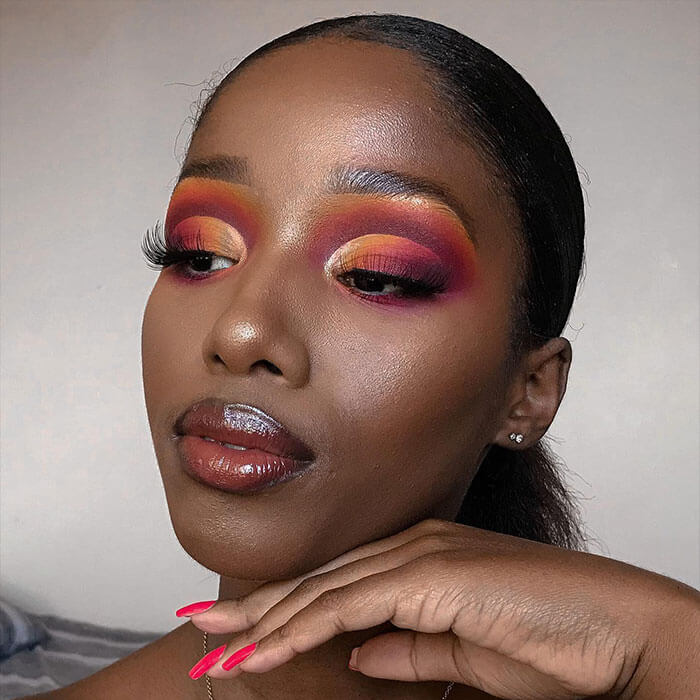
Photo Credit – Google
This change is not about over-the-top looks for attention. It reflects a growing resistance to sameness. When every face follows the same neutral script, individuality fades. Maximalist makeup answers that fatigue directly. It allows for contrast, experimentation and visible intention. The emphasis is not on flawlessness but on presence.
Runway beauty has been especially direct about this shift. Makeup is no longer playing a supporting role to fashion. Bright pigments, sculpted shapes and textured finishes appear consistently rather than as isolated highlights. These looks are designed to hold attention, not politely step aside. They suggest a broader willingness to let beauty challenge rather than comply.
Pop culture has reinforced this direction. Performers and public figures are leaning into makeup that reads instantly, whether on stage, on screen or across social platforms. These looks do not rely on explanation or subtle reference. They translate clearly in a single image, which is why they spread quickly. What begins as a high-visibility moment soon becomes familiar, then accepted, then expected.

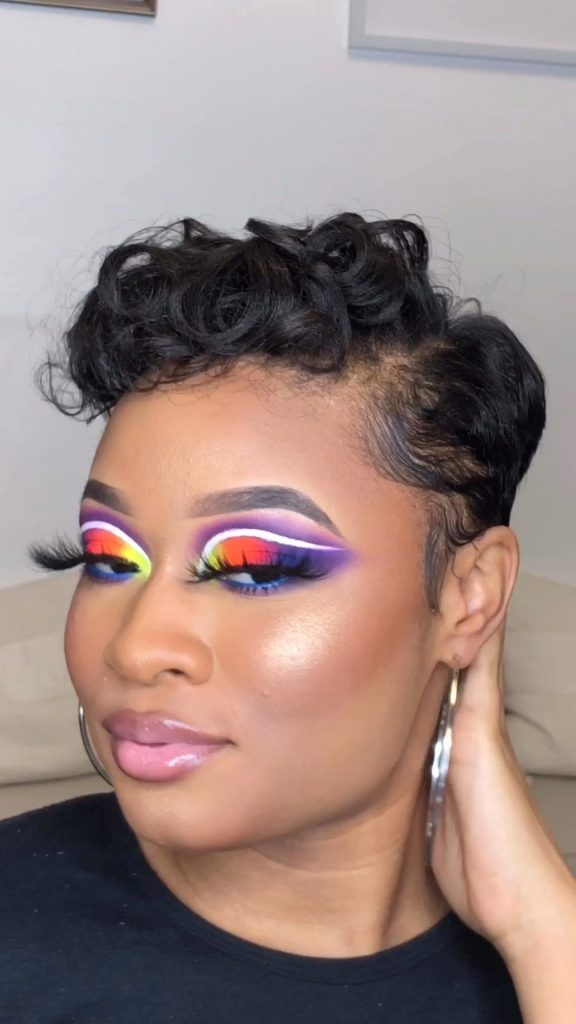
Photo Credit – Google
Behind the scenes, product development has made this transition easier. High-impact colour is no longer difficult to control. Formulas are more forgiving, finishes more adaptable, and wear more reliable. What once demanded professional skill now feels achievable at home. As the technical barriers fall, visual confidence rises.
There is also an emotional undercurrent to this return to visible makeup. After years shaped by uncertainty and limitation, beauty is responding with energy rather than caution. Colour, shine and strong definition offer immediacy. They reject correction and lean into visibility instead. In that sense, maximalist makeup feels less like rebellion and more like release.

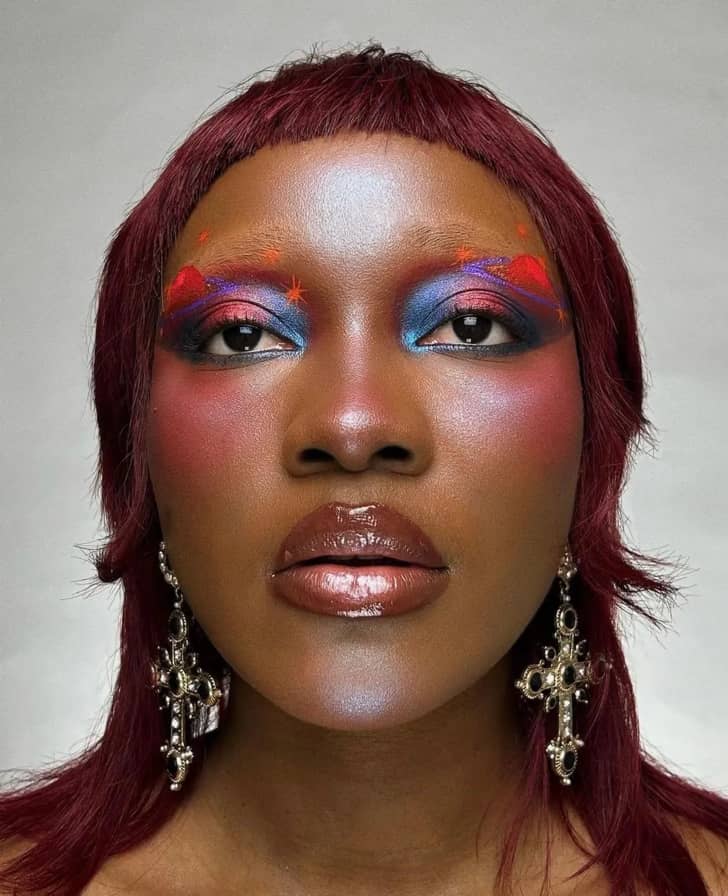
Photo Credit – Google
By 2026, this approach is likely to feel less like a trend and more like a recalibration. Makeup will not be judged by how invisible it appears, but by how clearly it communicates personal style cues. Maximalism does not erase minimalism; it disrupts its dominance. And in a beauty culture ready for something sharper, louder and more self-assured, that disruption explains why maximalist makeup is gathering real momentum.