Beauty
Why Dry Brushing Is Finding a Place in Everyday Body Care

Dry brushing is a simple body-care technique that involves moving a firm-bristled brush over dry skin, usually before a shower. It has become popular among people looking for ways to smooth rough skin without adding another product to their routine.
Its clearest cosmetic benefit is exfoliation. The bristles help loosen dead skin cells from the surface, which can leave areas such as the legs, knees and elbows feeling smoother. It can be particularly useful when the skin feels rough or flaky, provided it is done gently.

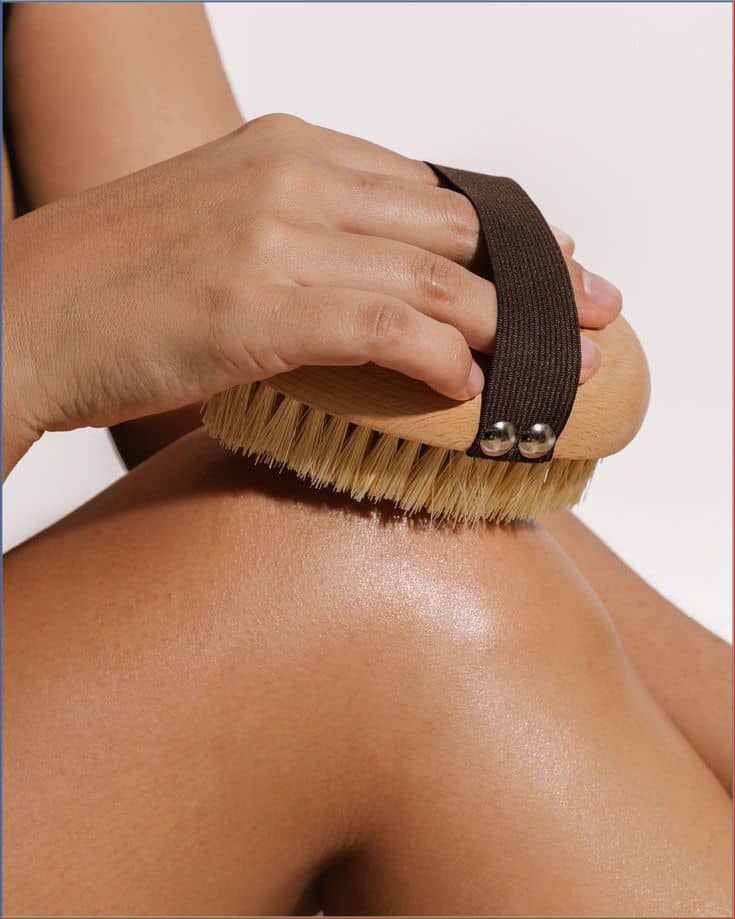
Photo – Pinterest
The technique is also quick. A few minutes before showering can be enough, after which you can wash away the loosened skin cells and apply a body moisturiser. However, dry brushing should not replace moisturising, especially if your skin tends to become dry.
Some people also enjoy the sensation of brushing the skin. The friction can temporarily increase blood flow near the skin’s surface, which may leave the area looking slightly red or feeling warm. This effect is short-lived and should not be confused with treatment for circulation problems.

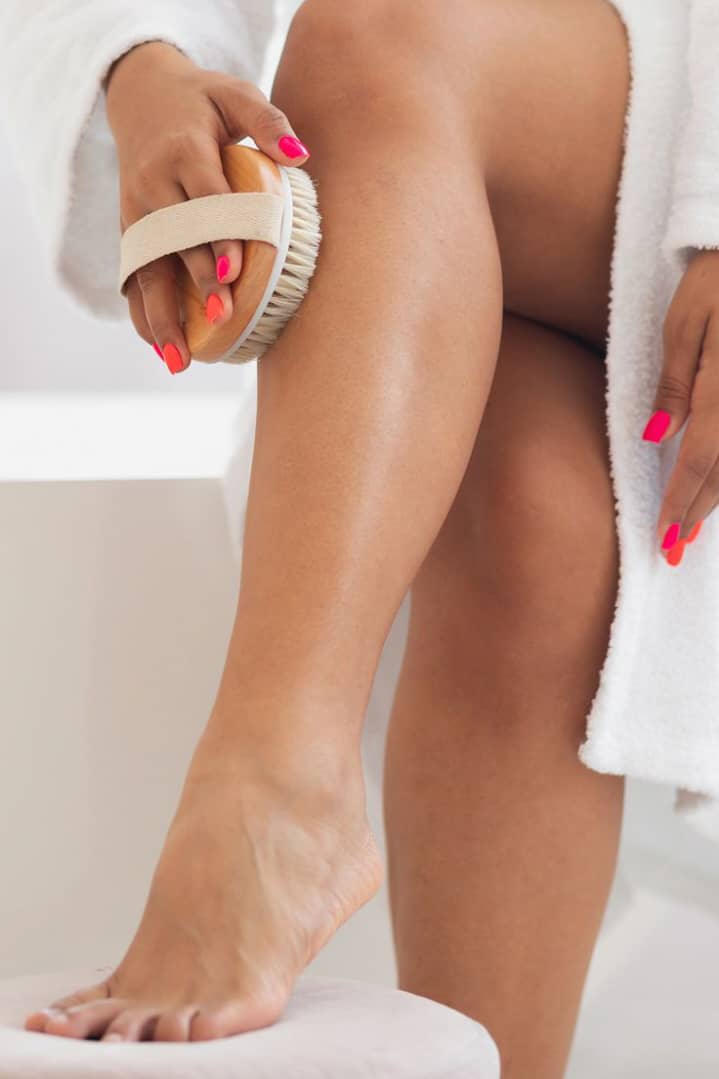
Photo – Pinterest
The claims surrounding dry brushing are less convincing. It is frequently promoted as a way to detox the body, reduce cellulite or improve lymphatic drainage. There is not enough evidence to support these claims. Dry brushing may temporarily make the skin look smoother, but it does not remove cellulite or toxins from the body.
How you brush matters. Applying excessive pressure can irritate the skin and damage its protective barrier. Use light, controlled strokes and stop if the skin becomes painful, scratched or persistently red. There is no benefit to brushing harder in an attempt to get better results.
Dry brushing should also be avoided over sunburn, cuts, wounds, rashes or irritated skin. Anyone with a skin condition that causes inflammation or sensitivity should check with a healthcare professional before adding physical exfoliation to their routine.

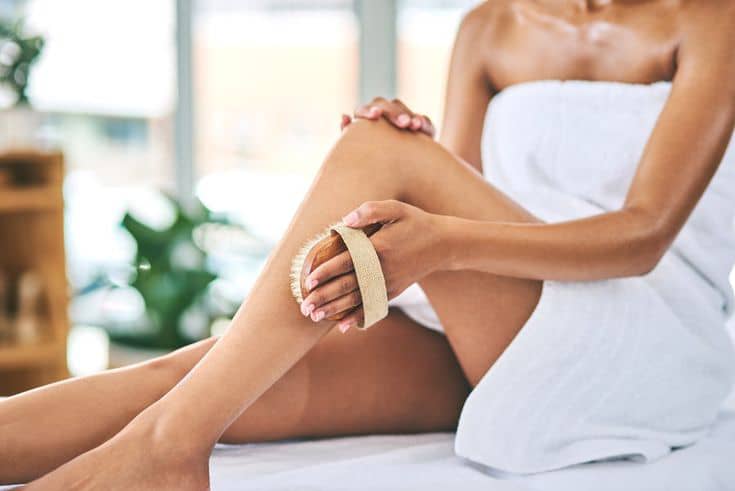
Photo – Pinterest
Daily brushing is not necessary. Start with occasional sessions and adjust according to how your skin responds. If your skin becomes dry, sore or irritated, reduce the frequency or stop altogether.
For those who tolerate physical exfoliation well, dry brushing can be a straightforward addition to body care. Its value lies in what it can realistically offer: removing surface dead skin and helping rough areas feel smoother, without the exaggerated detox and cellulite claims often attached to the practice.