Beauty
The Only Sunscreen Ingredients That Actually Work in Autumn

Autumn light is softer, but ultraviolet exposure doesn’t decrease significantly. UVB, the type linked to sunburn, decreases, yet UVA remains consistent through cloud cover and cooler temperatures. UVA is responsible for pigmentation, uneven tone, and long-term skin ageing. So the question isn’t whether to wear sunscreen in autumn, but which ingredients are doing the real work.
Dermatology-backed features and beauty publications emphasise that effectiveness comes down to UV filters, not the SPF number on the front of the bottle. In autumn, the focus shifts to filters that can handle persistent UVA exposure.

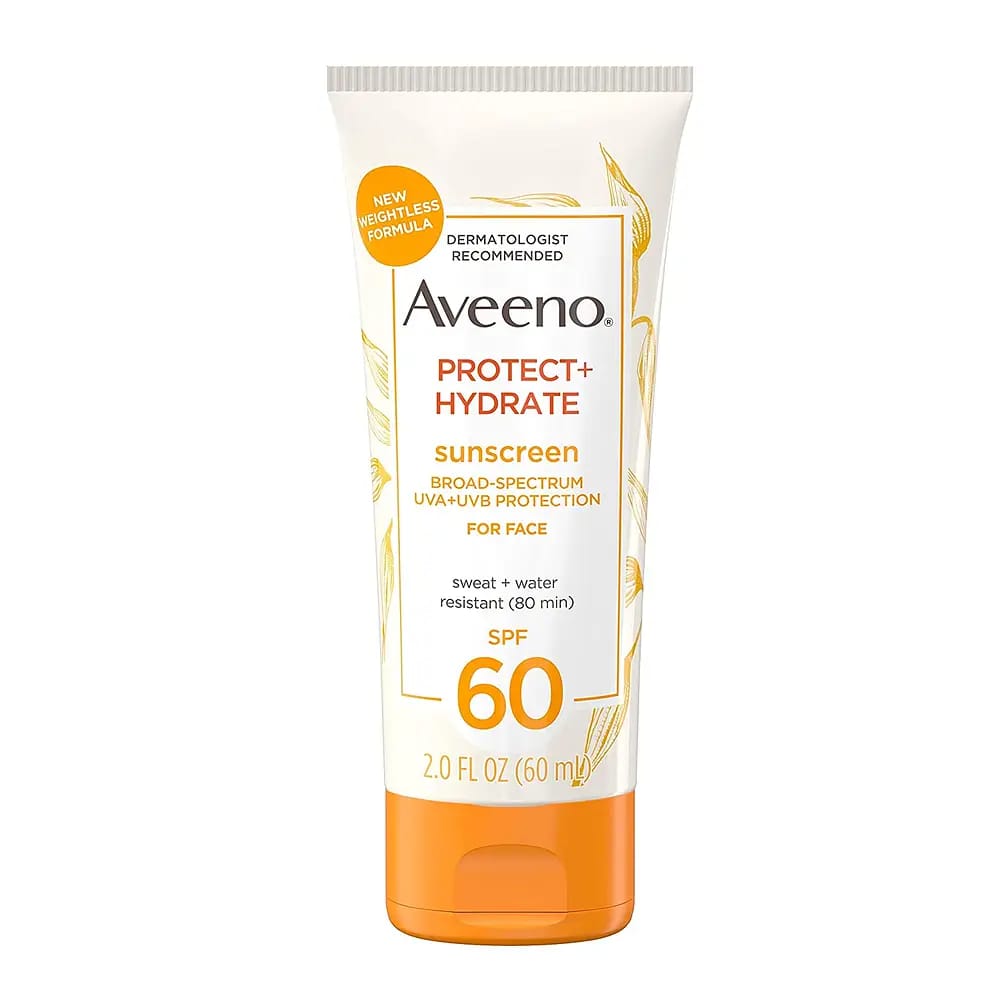
Photo – Instagram
Zinc oxide remains the most reliable filter. It covers both UVA and UVB without needing support from other filters. For everyday wear, whether commuting, sitting near windows, or spending time outdoors, it is one of the few ingredients that delivers full-spectrum protection. It is also well tolerated across skin types.
Titanium dioxide often appears alongside it, but offers less complete UVA coverage. It performs well against UVB and shorter UVA rays, yet it doesn’t fully cover the longer UVA wavelengths that are still active in autumn. On its own, it leaves gaps. In combination formulas, however, it strengthens overall coverage and improves wearability, especially in lighter textures.

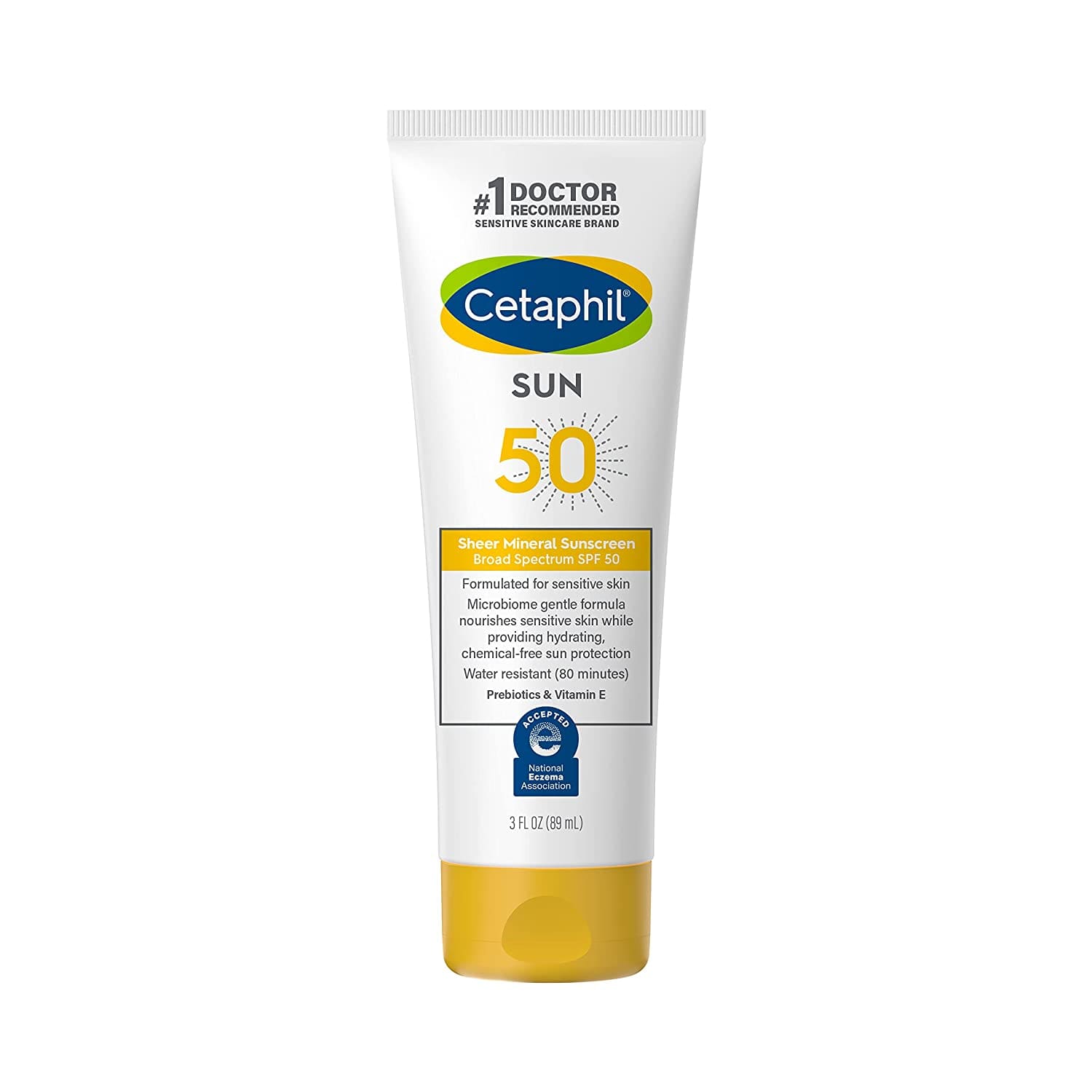
Photo – Instagram
Among chemical filters, avobenzone remains one of the few ingredients that properly targets UVA. Its main limitation is that it can break down when exposed to sunlight. Modern formulations address this by pairing it with stabilising filters, helping it remain effective longer. When formulated well, it becomes a key component in broad-spectrum sunscreens that feel lighter on the skin than mineral-only options.
Current formulations increasingly use newer-generation filters such as bemotrizinol (Tinosorb S) and diethylamino hydroxybenzoyl hexyl benzoate (often listed as Uvinul A Plus). These are designed to be photostable, meaning they do not degrade as quickly under UV exposure. They offer more consistent protection throughout the day, which is useful in autumn when reapplication habits tend to become less consistent.

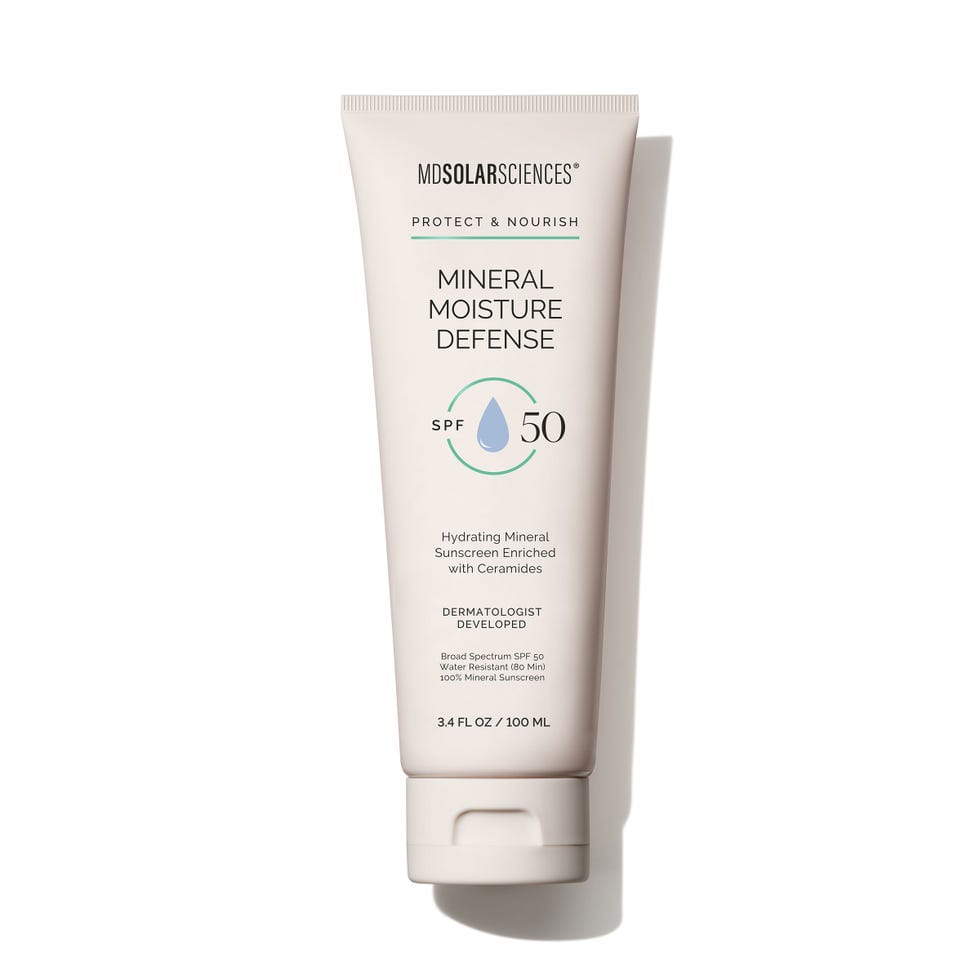
Photo – Instagram
It is also important to identify filters that provide limited UVA protection. Ingredients like octinoxate, homosalate, and octisalate mainly boost SPF by targeting UVB. They contribute to preventing sunburn but do not offer meaningful UVA protection. This explains why a sunscreen may appear effective but underperform in real conditions, where UVA is the dominant concern.
In South Africa, this distinction is especially relevant. Even outside peak summer months, UV levels remain relatively high compared to many other regions. Clear autumn days, reflective surfaces, and time spent outdoors all increase exposure. Pigmentation concerns, whether from sun exposure or post-inflammatory marks, are more likely to persist when UVA protection is inconsistent.

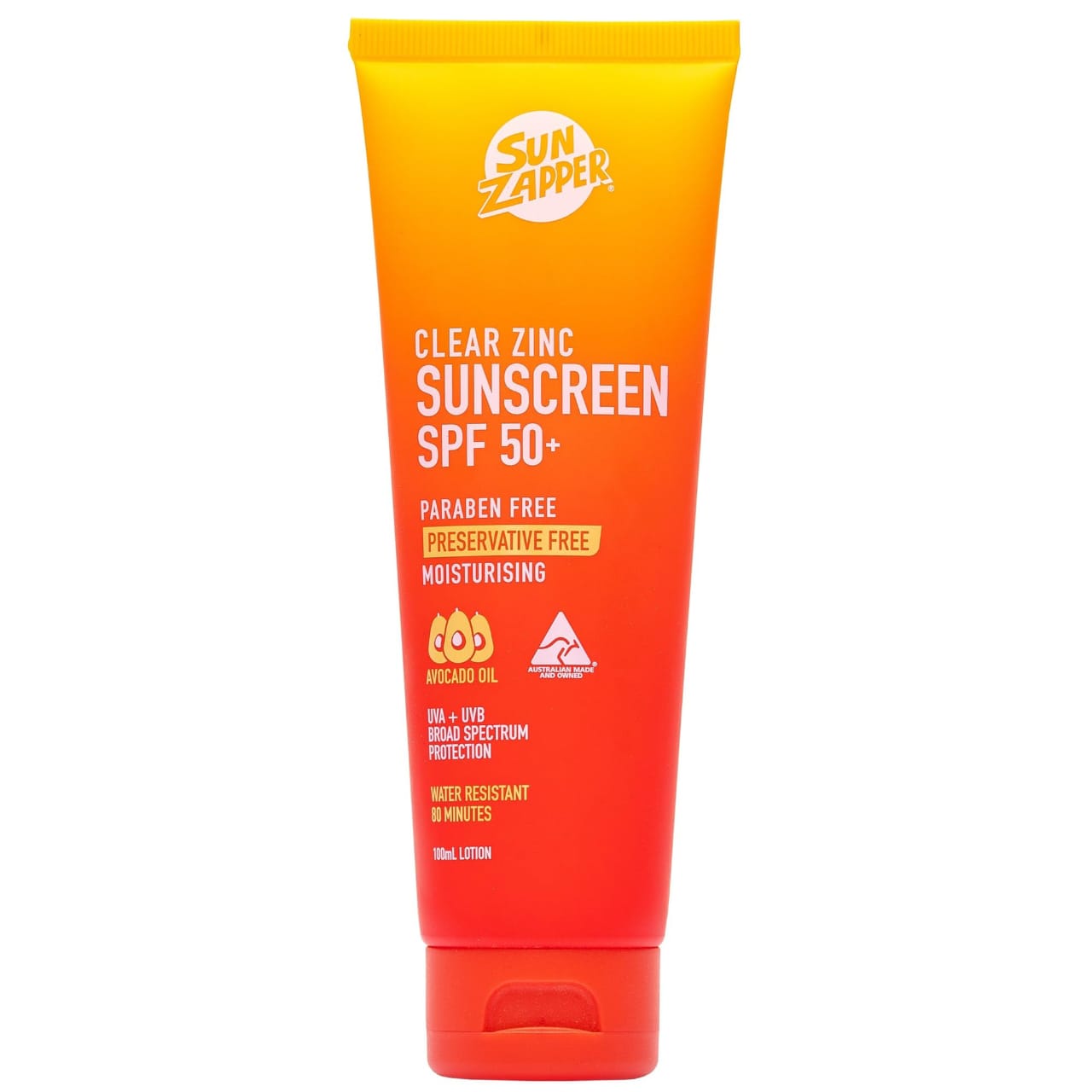
Photo – Instagram
Seasonal changes do not require a different sunscreen. Instead, the priority should be on ingredients that maintain broad-spectrum coverage and remain stable on the skin.
The ingredients that actually work in autumn are those that provide consistent broad-spectrum protection year-round. Zinc oxide for dependable coverage, titanium dioxide as support, avobenzone when stabilised properly, and newer filters designed for longevity. Other filters play a supporting role. This determines how effective a sunscreen is during autumn.