Beauty
How Often Should You Really Moisturise Your Lips

If you find yourself reaching for lip balm every hour, you may wonder whether you are applying it too often. There is no fixed number of applications that works for everyone. How often you need to moisturise your lips depends on their condition, the product you use and their exposure to factors such as sun, wind and dry air.
Dermatologists generally recommend applying a non-irritating lip balm when your lips feel dry and before bed, with more frequent application when conditions require it. For severely dry or cracked lips, a thicker ointment can form a stronger barrier against moisture loss.
So, How Often Is Enough?

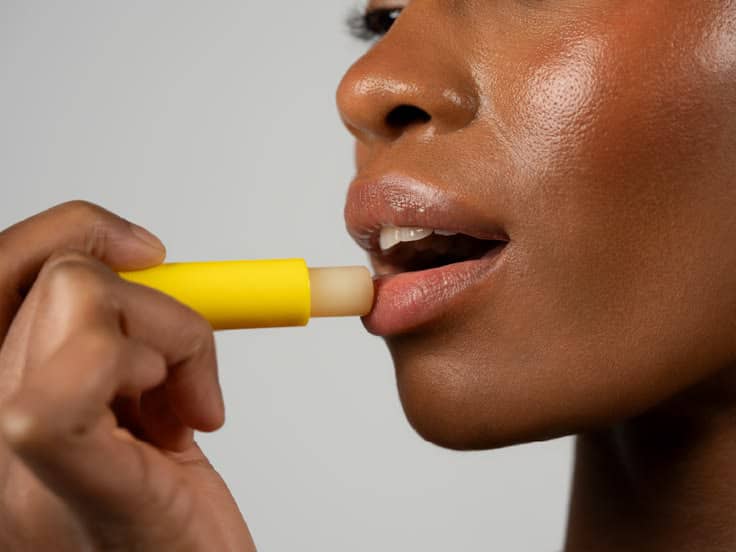
Photo – Pinterest
If your lips are generally healthy and comfortable, you may only need lip balm when they feel dry, with an application before bed if they tend to become dry overnight. If they become dry during the day, reapply whenever needed, particularly after eating, drinking or wiping the product away.
Your routine should also change when you are spending extended periods outdoors. Sun protection is a separate part of lip care, so use a lip product with broad-spectrum SPF 30 or higher during the day. When using an SPF lip product outdoors, reapply about every two hours and after eating, drinking or activities that remove it.
Weather can also affect how often you need lip balm. Dry air, wind and cold conditions can increase moisture loss, so you may need to reapply more frequently. In particularly dry conditions, use your balm as often as needed, provided the product is not irritating your lips.
If Your Lip Balm Is Not Helping

Photo – Pinterest
If you are constantly reapplying lip balm but your lips remain flaky, sore or tight, the problem may not be that you need more of it. The formula itself could be irritating your lips.
Fragrance, flavouring, menthol, camphor and eucalyptus can irritate already-chapped lips in some people. Persistent burning, stinging or tingling can indicate irritation, so stop using a product that causes these reactions.
For dry or cracked lips, fragrance-free products with moisturising and occlusive ingredients are generally a better choice. Ingredients such as petrolatum, mineral oil, glycerin, dimethicone, ceramides and shea butter can help reduce moisture loss. Ointments can be particularly useful because they form a stronger barrier than lighter products.
Do You Need to Moisturise Overnight?

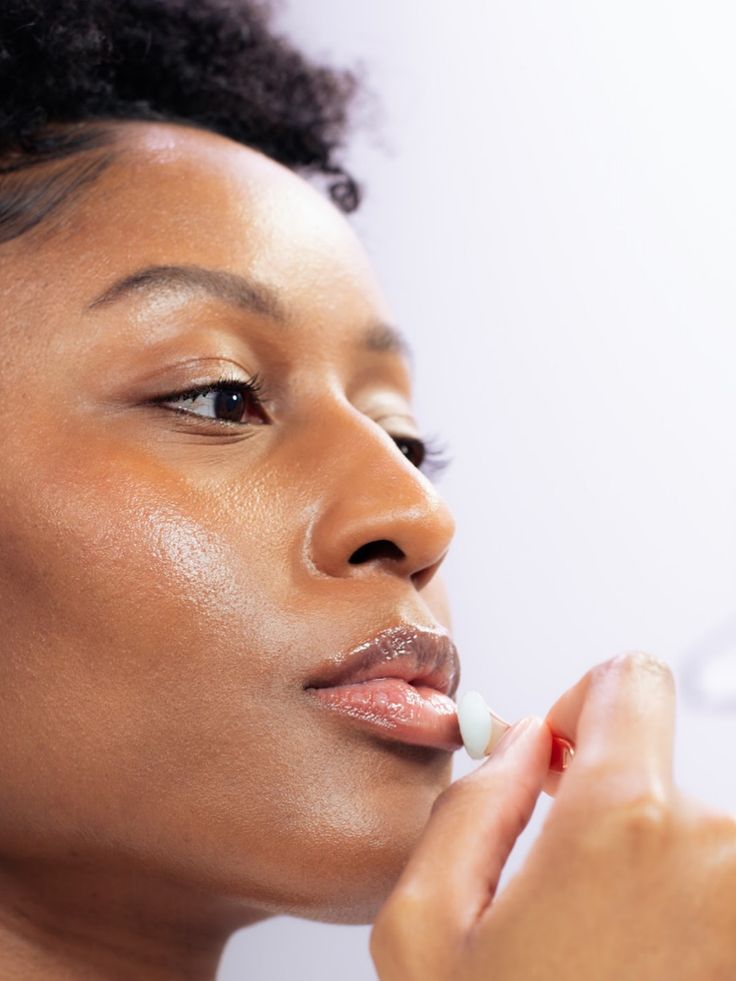
Photo – Pinterest
It can help, particularly if your lips tend to feel dry when you wake up. Applying a thicker, fragrance-free ointment before bed allows it to remain on the lips for several hours without being removed by eating or drinking.
This is also a practical time to use a richer product because you do not have to consider how it looks under lipstick or gloss.
Avoid Licking or Picking Your Lips
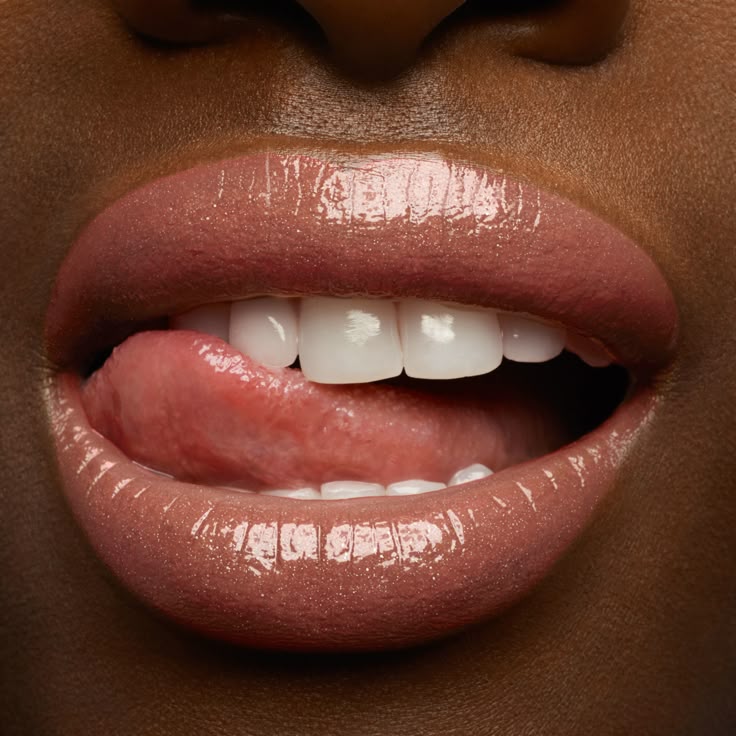
Photo – Pinterest
Repeatedly licking your lips can make dryness worse. Saliva may temporarily make them feel wet, but as it evaporates, it can leave the lips drier and more irritated. Picking or biting peeling skin can also cause further damage and delay healing.
While adequate hydration is important for overall health, persistent chapping is not necessarily caused by drinking too little water. External irritation, allergies, weather and certain products can all play a role.
If your lips remain cracked, scaly or painful despite consistent care, see a doctor or dermatologist. Seek medical advice sooner if they are bleeding significantly, becoming swollen or showing signs of infection.
The best approach is simple: use a non-irritating moisturiser when your lips need it, protect them from the sun and change products if you develop irritation. There is no need to follow a strict number of applications. Your lips and the conditions around you are better guides.