Celebrity News
Doja Cat’s Pretoria Homecoming: What to Expect from the Global Citizen Move Afrika Concert

When Doja Cat steps onto the stage in Pretoria, it won’t feel like a regular international tour stop. It will feel like a return. Born Amala Ratna Zandile Dlamini, the artist’s connection to South Africa, through her father, Dumisani Dlamini, has remained a quiet part of her global image. This concert brings it forward, in a setting that reflects both personal significance and wider industry goals.
The Pretoria show marks her first time performing in South Africa, a detail that has raised anticipation. For fans, it follows earlier missed opportunities for local performances. For the artist, it is presented as a cultural return instead of a standard debut.

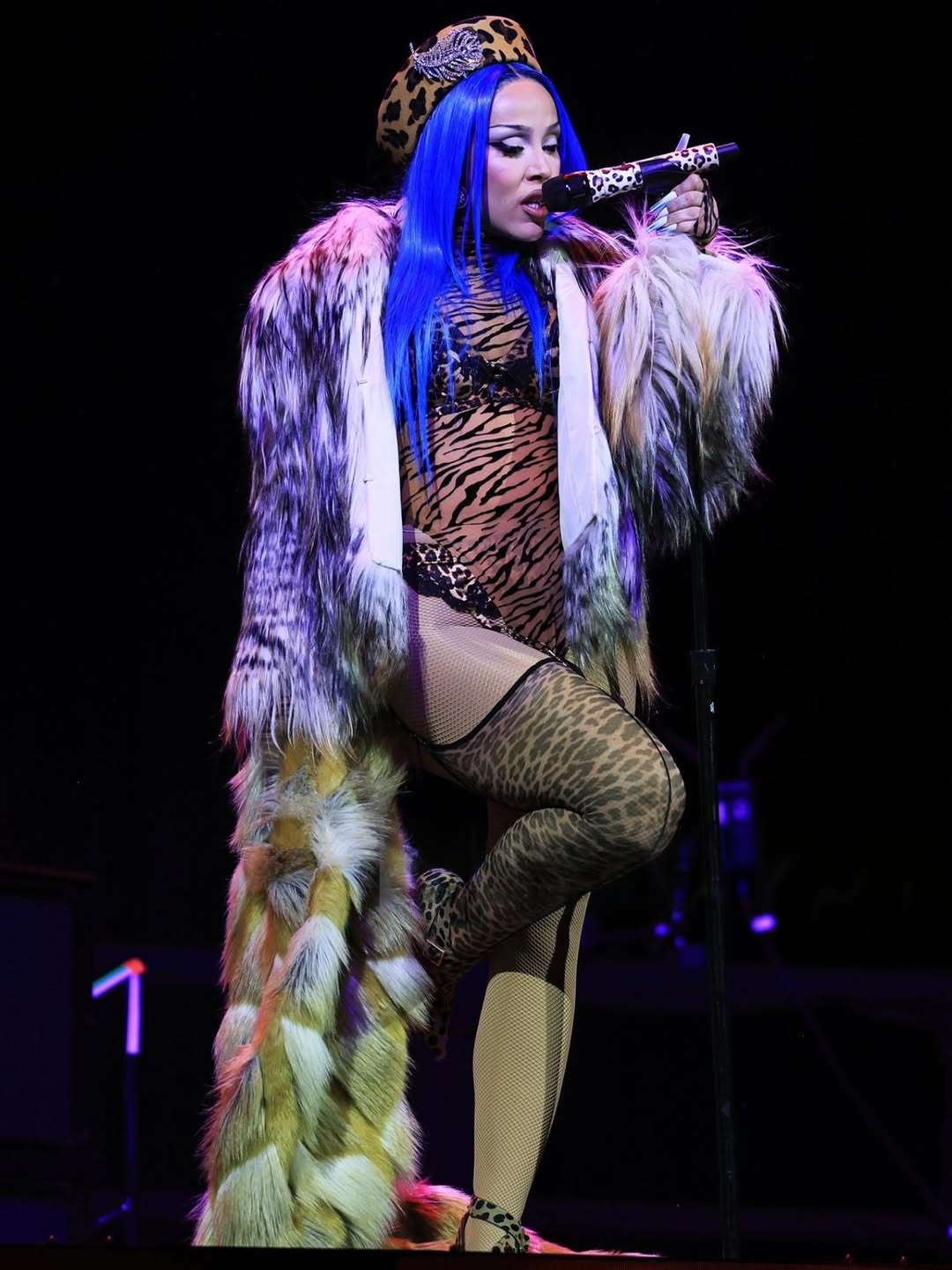
Doja Cat – Instagram
The event itself, Move Afrika, differs from a typical concert series. Led by Global Citizen, it is designed as a long-term touring platform linking global artists with African cities while building local production capacity. The Pretoria edition follows Kigali, forming part of a broader plan to establish a pan-African circuit that supports jobs, skills development and creative industries.
The concert takes place on March 20 at the SunBet Arena in Pretoria, with doors opening earlier in the evening and the main show expected to begin around 8pm. The arena scale shapes the production. Move Afrika events have been built around international staging standards while relying heavily on local crews, over 90% in previous editions. That balance defines the production quality: global-level sound and visuals, executed through local expertise.

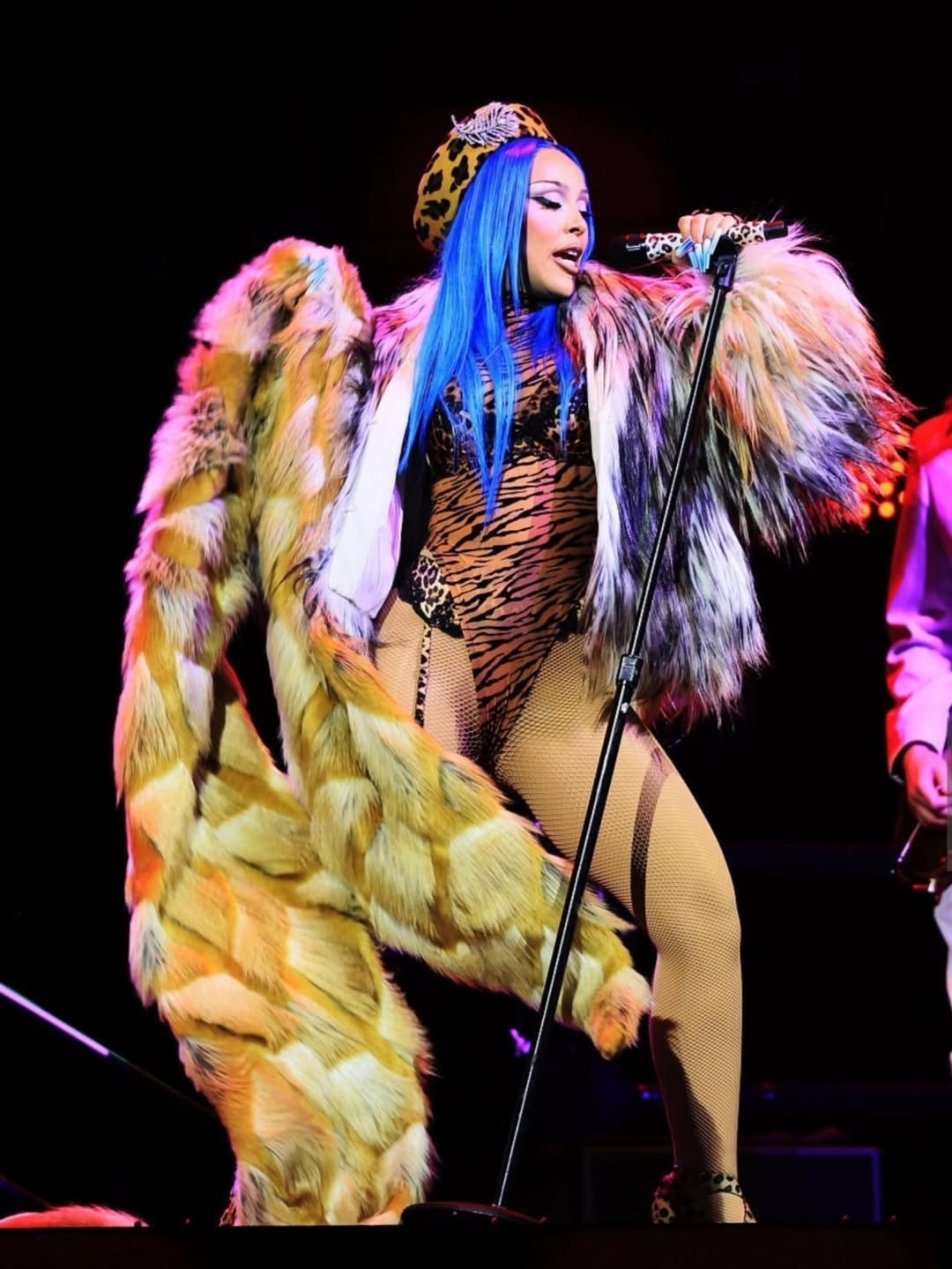
Doja Cat – Instagram
Doja Cat’s current tour cycle, tied to her 2025 album Vie, features tightly structured, high-energy setlists that move between rap-driven tracks and melodic pop records. Expect a sequence built around songs like “Paint the Town Red,” “Woman,” and “Agora Hills,” alongside earlier hits that remain part of her live shows. Her performances typically focus on pacing and transitions rather than extended crowd interaction. That approach keeps momentum high and allows for quick shifts between moods, something that translates well in arena settings.
Visually, her recent shows have kept staging controlled: lighting-led transitions, sharp costume changes, and choreography that supports the music. For Pretoria, the production is expected to maintain that structure, but with added significance given the context of the performance.

Doja Cat – Instagram
Move Afrika’s model means the night won’t be built around a single artist. Local and regional acts are expected to be part of the lineup, reflecting the initiative’s focus on integrating African talent into global touring frameworks. Behind the scenes, the event supports a wider system, employment for technicians, designers, stage crews and vendors. The organisers have positioned each show as both a live event and an economic initiative, linking entertainment to longer-term industry growth.
Global touring in Africa is shifting. Instead of one-off festival appearances, structured touring circuits are beginning to take shape. Move Afrika is one of the clearest examples of that transition, and Pretoria is a test of how sustainable that model can be.

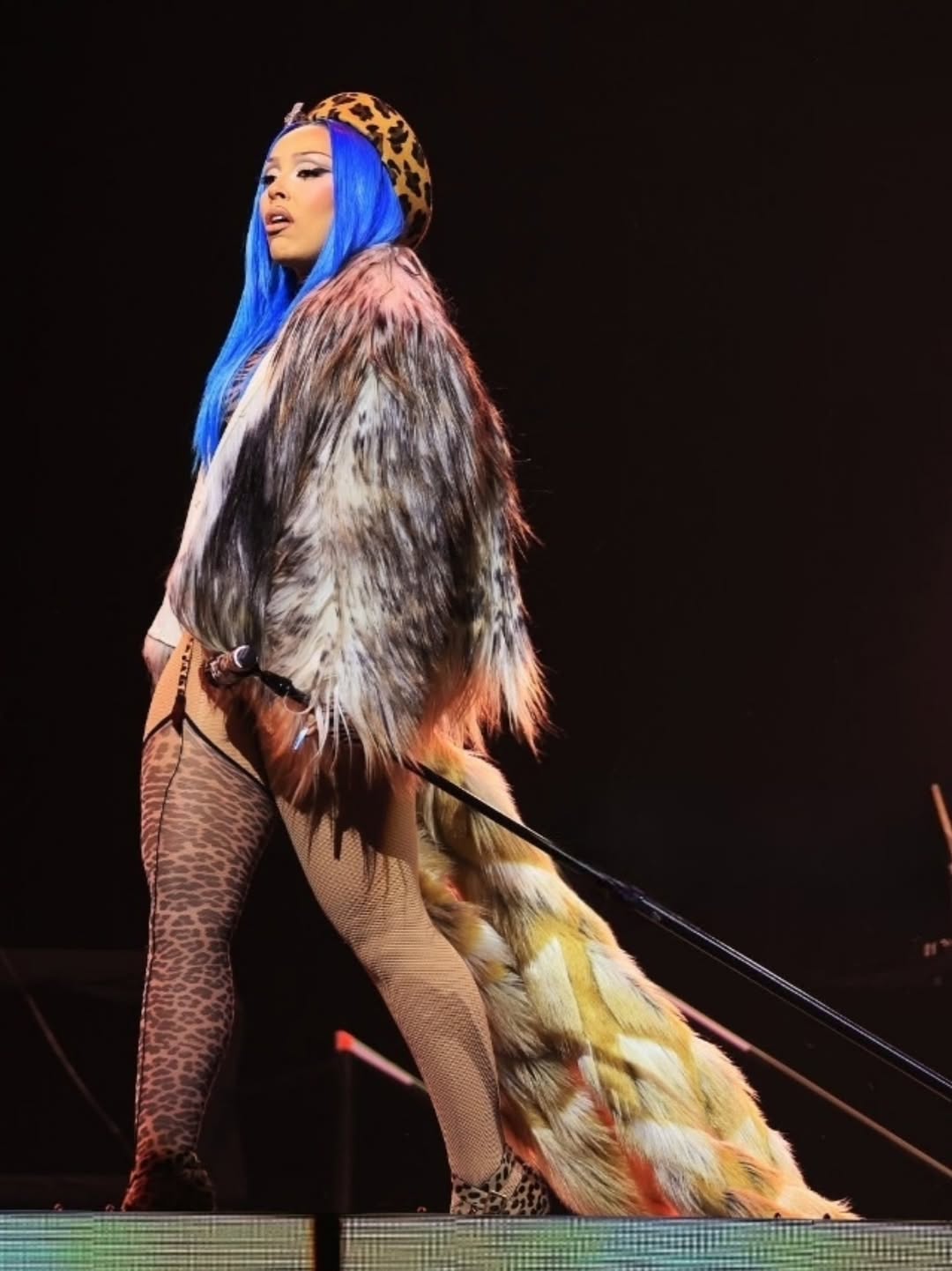
Doja Cat – Instagram
For Doja Cat, the context is more direct but still significant. The performance brings together her identity, audience and timing in a way her previous tours have not required. Reflecting on her involvement with Move Afrika, she said through Global Citizen, “I’m proud to be part of something that celebrates Africa’s creativity, invests in its future, and shows the world that Africa isn’t coming, it’s already here.” It is a show that combines personal significance with industry strategy, one that will be assessed both for performance and its wider significance. The expectation goes beyond a strong set, pointing to a performance that reflects both her background and Africa’s growing live music platform.