Health
Boobs, Bras and Breast Health: What Every Woman Should Know

October is Breast Cancer Awareness Month, bringing pink ribbons, screening campaigns and conversations about early detection. But beyond the reminders to check for lumps, women have everyday questions about their breasts. Does wearing an underwired bra cause cancer? Is sleeping in a bra harmful? Why is one breast bigger than the other? And when should a change become a reason to visit the doctor?
Breast health involves more than cancer prevention. It also means understanding how breasts change, choosing comfortable bras and knowing when something is unusual.
Bras, breast support and cancer myths


Photo: Hero Image
The belief that underwired bras cause breast cancer has circulated for years. One explanation suggests that tight bras restrict lymphatic drainage, allowing harmful substances to accumulate in breast tissue. However, scientific evidence has not established a link between wearing bras and breast cancer. Going without one does not lower the risk either.
Sleeping in a bra is another common concern. There is no convincing evidence that wearing one overnight increases breast cancer risk. Women can sleep in a bra if they find it comfortable or remove it before bed if they prefer.
A more practical concern is fit. A bra that is too tight can dig into the ribcage, irritate the skin and leave painful marks on the shoulders. Cups that are too small may cause breast tissue to spill over, while inadequate support can make physical activity uncomfortable.
Breast size can change with weight fluctuations, pregnancy, breastfeeding, menstrual cycles and menopause. Consequently, a bra that fitted properly a few years ago may no longer be suitable.
A well-fitting bra should sit comfortably around the ribcage, contain the breasts without excessive gaps or spillage and provide support without digging into the shoulders. Sports bras are particularly useful during running and other high-impact activities because they reduce breast movement and discomfort.
Your breasts do not have to look identical

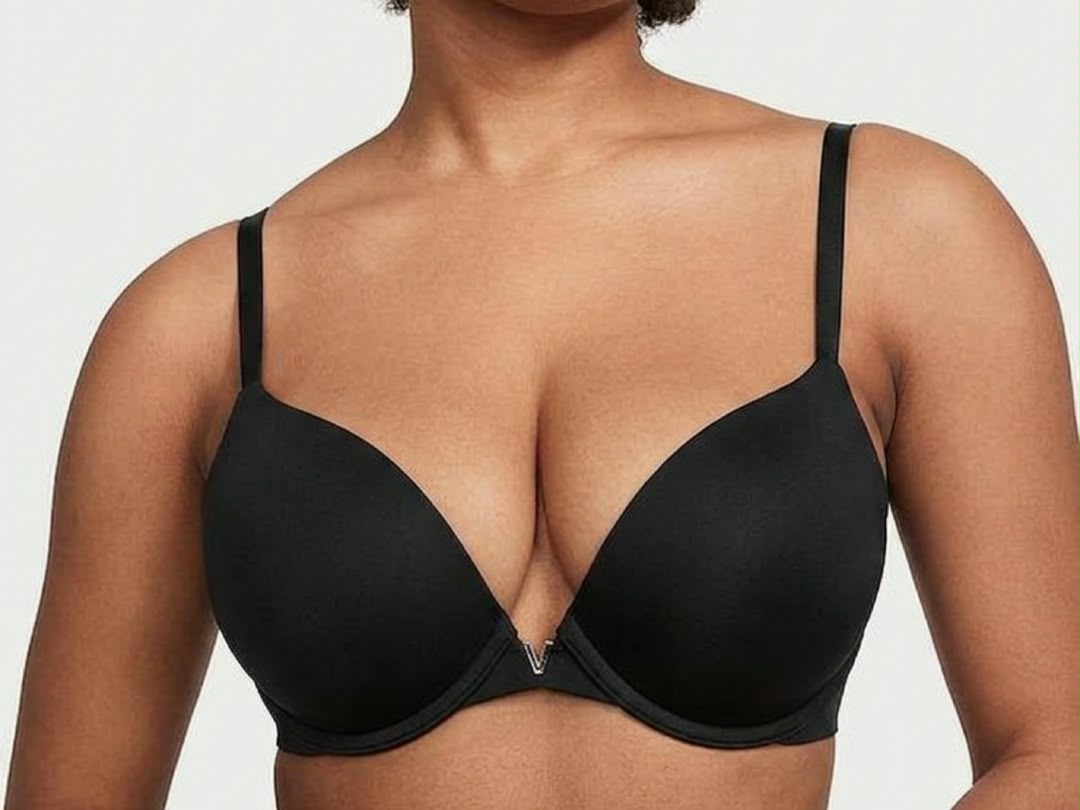
Photo: Hero Image
One breast being slightly larger than the other is common. Nipples also differ in size, colour and direction. Some naturally point outwards, while others are inverted. These variations are not automatically signs of a medical problem.
Breasts also change throughout life. Menstrual cycles can cause temporary swelling and tenderness, while pregnancy and breastfeeding affect size and sensitivity. Later, hormonal changes associated with menopause can alter breast firmness and density.
The important distinction is between changes that have always been present and those that are new. A sudden difference in breast size, a new indentation, an unusual change in nipple position or persistent skin changes should be assessed by a healthcare professional.
Getting familiar with your breasts

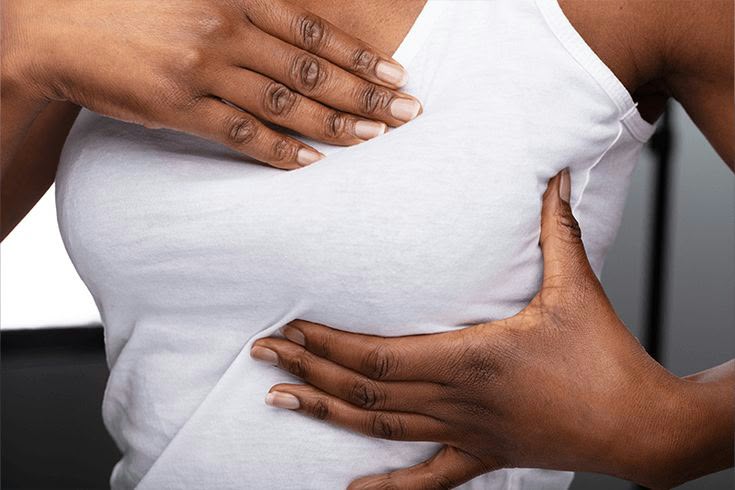
Photo: Pinterest/@Dr Dennis Gross
Knowing how your breasts normally look and feel can help you recognise unusual changes. You can become familiar with them while bathing or dressing, paying attention to the breast tissue, nipples and areas around the armpits.
Look out for:
A new lump or thickened area in the breast or armpit.
Swelling in all or part of a breast.
Skin dimpling, puckering or a texture resembling orange peel.
New nipple inversion or spontaneous discharge, particularly bloody discharge.
Persistent redness, scaling or thickening of the skin.
Unusual or persistent breast pain.
A lump does not automatically mean cancer. Breast cysts and fibroadenomas are examples of non-cancerous conditions that can cause lumps. However, a new lump should be examined, even if it does not hurt. Breast cancer can develop without pain or noticeable symptoms.
Breast awareness is useful, but it does not replace professional examinations or recommended screening.
Breast cancer and early detection


Photo: Pinterest/@Richard Rajecki
According to the World Health Organization, approximately 2.4 million women were diagnosed with breast cancer worldwide in 2024, while an estimated 694,000 died from the disease. Although the risk increases with age, younger women can also develop breast cancer.
A family history of the disease, particularly among close relatives diagnosed at a young age, can increase risk. Inherited changes in genes such as BRCA1 and BRCA2 are also important risk factors. However, women without a family history can still develop breast cancer.
Mammography uses low-dose X-rays to examine breast tissue and can detect abnormalities before they become noticeable through touch. Screening is intended for women without symptoms. Anyone who discovers a lump or another suspicious change needs medical assessment, even if she recently had a normal mammogram.
In South Africa, CANSA recommends annual mammograms for women from age 40. From age 55, women can consider continuing annually or moving to screening every two years. Women with a significant family history or other risk factors may need an earlier, individualised screening plan.
Women using public healthcare facilities can approach their local clinic for an examination and referral when further investigation is necessary. CANSA also offers clinical breast examinations at its care centres and can assist with mammogram referrals.
Everyday habits and breast health


Photo: Pinterest/@Diane Malavolti
No lifestyle change guarantees protection against breast cancer, but some habits can help reduce risk. Regular physical activity, maintaining a healthy weight, particularly after menopause, and limiting alcohol consumption are associated with lower breast cancer risk. Breastfeeding has also been associated with a reduced risk.
Women should discuss their family medical history with healthcare professionals, especially when close relatives have had breast or ovarian cancer. Genetic counselling may be appropriate where inherited risk is suspected.
Most importantly, do not allow fear or embarrassment to delay a medical appointment. A new lump, bloody nipple discharge or unexplained breast change deserves attention. It may not be cancer, but only an appropriate medical assessment can help establish the cause.
Breast Cancer Awareness Month is a useful reminder, but breast health requires attention throughout the year. Choose bras that fit comfortably, understand what is normal for your body and seek medical advice when something changes. You do not have to wait until a problem becomes painful before taking it seriously.