Health
5 Things to Know About Myomectom

Uterine fibroids is a common growth among women. While some women experience no symptoms, others witness heavy various fertility problems. Myomectomy is an option used to treat troublesome fibroids. Here are things to know about the procedure.
1. Myomectomy Removes Fibroids
A myomectomy is a procedure that removes fibroids from the uterus. It differs from hysterectomy, which removes the uterus.
This makes it an option for women who want to have children. However, whether surgery is needed depends on the size, number and location of the fibroids.
2. There Are Different Types of Myomectomy

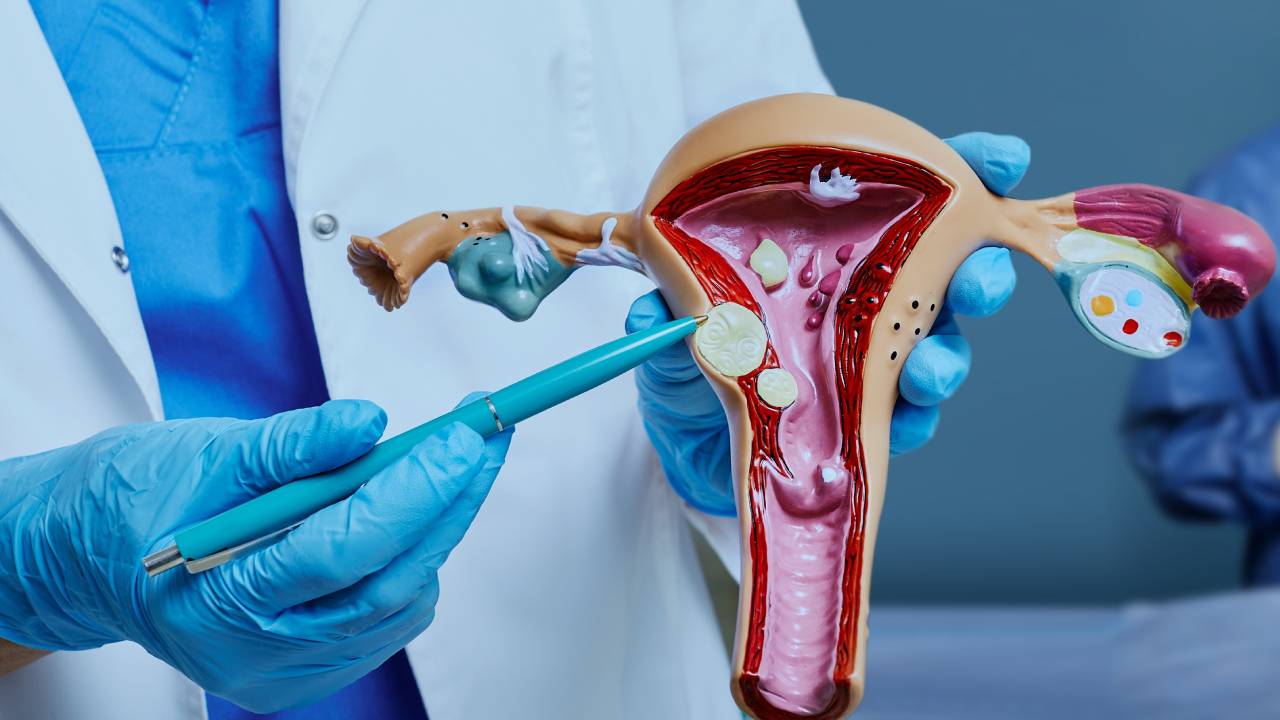
Photo: Getty Images
The procedure can be performed in different ways. An abdominal myomectomy involves making a larger incision in the abdomen when fibroids are large.
With laparoscopic myomectomy, small abdominal incisions are made. Robotic surgery is another approach where medical robots are controlled by the surgeon.
There is also hysteroscopic myomectomy. In this procedure, instruments are passed through the vagina and cervix to remove fibroids.
Read Also: Living with PCOS? Here’s What Every Woman Should Know
3. It Relieves Fibroid Symptoms
Myomectomy improves symptoms caused by fibroids. Some of which are menstrual bleeding and abdominal pain. Heavy menstrual bleeding may cause anemia because of blood loss. Treating the fibroids addresses the source of these symptoms. However, not every woman with fibroids requires surgery.
4. Fertility Can Be Preserved

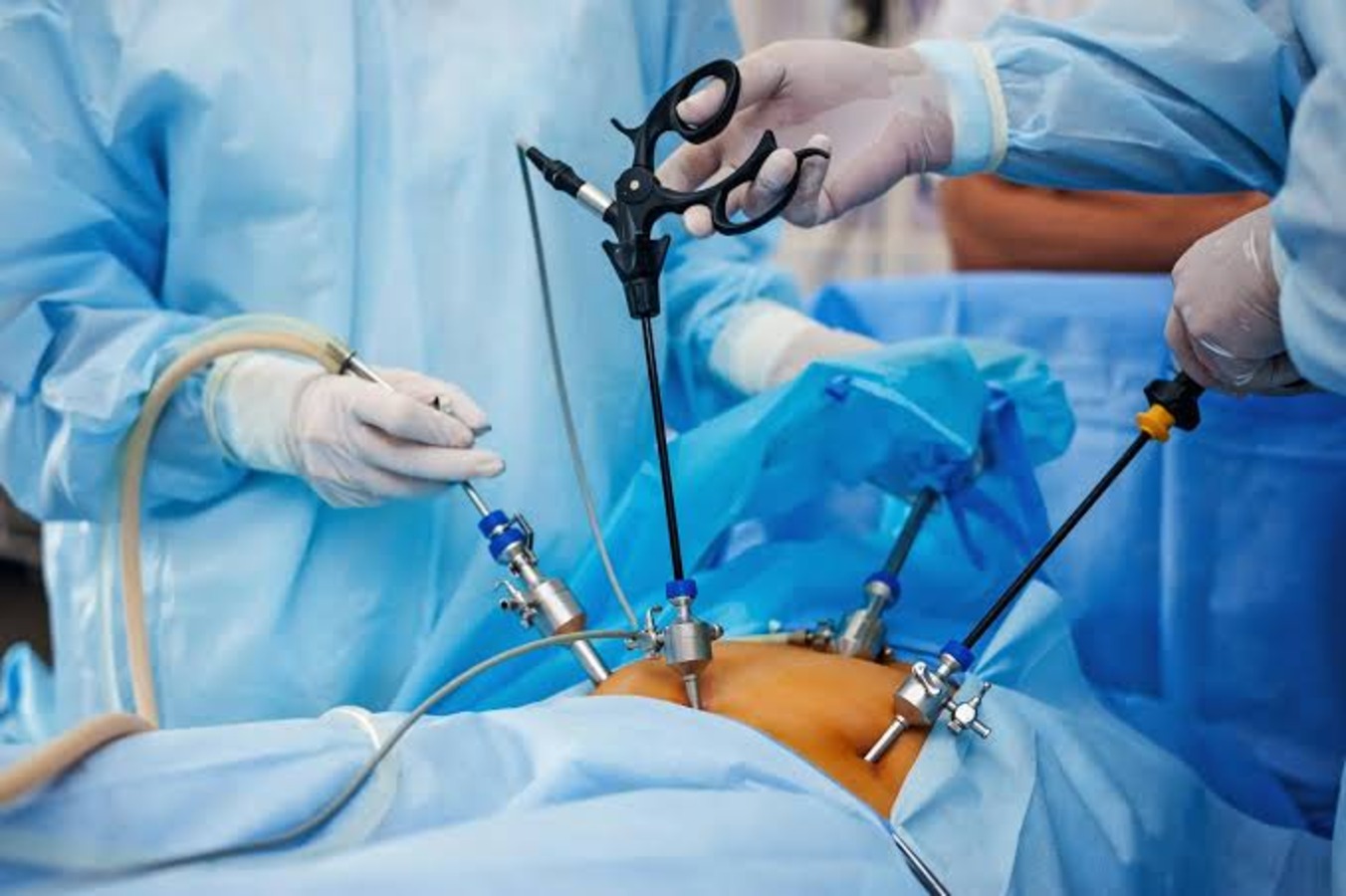
Photo: Getty Images
In some women, removing fibroids that interfere with fertility may improve pregnancy chances. However, surgery can also cause internal scar tissue, and pregnancy. Some women are advised to have a caesarean birth depending on how deeply the uterus was cut.
5. Fibroids Can Develop Again
Removing fibroids does not mean they won’t reappear. Fibroids not completely removed may cause problems later.
Like other surgeries, myomectomy has risks. Some of which are infection, scar formation and complications related to the surgical approach. Recovery also varies depending on the woman.